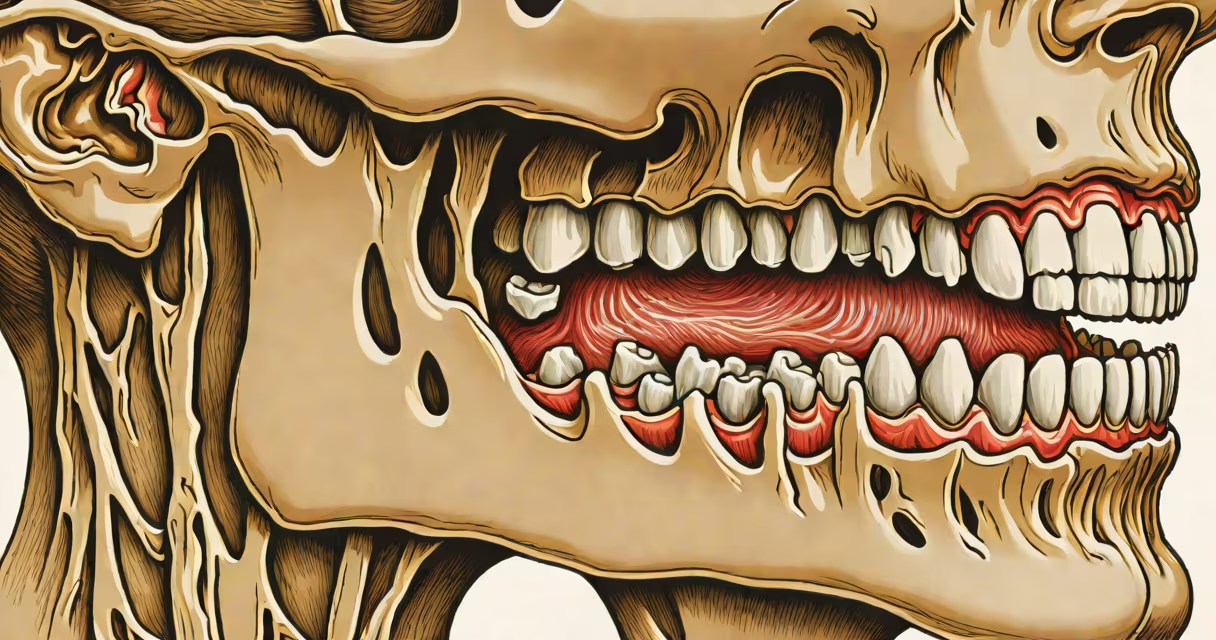
Chewing gum forces the masseter and temporalis muscles to work continuously, unlike eating solid food, which requires intermittent effort. The average person chews gum at 10-20 cycles per minute, creating repetitive stress. Studies show gum chewers exert 10-25% more force than necessary for normal eating (Journal of Oral Rehabilitation, 2018).
The TMJ joint absorbs this stress, but excessive chewing can inflame the joint or its surrounding ligaments. A 2020 study in the International Journal of Environmental Research and Public Health found that habitual gum chewers reported 40% higher rates of TMJ symptoms than non-chewers.
| Type | Cause | Duration |
|---|---|---|
| Muscle fatigue | Overworked masseter/temporalis muscles | Hours to 1 day |
| TMJ strain | Joint inflammation from repetitive motion | Days to weeks |
| Bruxism flare-up | Triggered clenching/grinding habits | Variable |
Occasional soreness is normal, but seek medical advice if you experience:
These may indicate TMJ disorder or bruxism, which require professional treatment.
For immediate relief, apply moist heat to the sore area for 15 minutes. I've found that a warm washcloth works better than commercial heating pads-the direct contact seems to penetrate deeper. Gentle massage of the masseter muscle (located near the cheekbone) can also help.
Over-the-counter NSAIDs like ibuprofen reduce inflammation, but avoid aspirin, which may increase bleeding risk in the sensitive jaw area. Physical therapists recommend jaw exercises to strengthen supporting muscles and improve TMJ stability.
Limit gum chewing to 10-15 minutes per session and choose sugar-free varieties to avoid tooth decay. Switch to softer gums with lower xylitol content, which requires less chewing force. Stay hydrated, as dry mouth can trigger compensatory chewing habits.
If you grind your teeth at night, a dentist can fit you with a custom mouthguard to prevent daytime gum chewing from aggravating the condition. For persistent issues, a physical therapist specializing in orofacial pain can develop a targeted treatment plan.