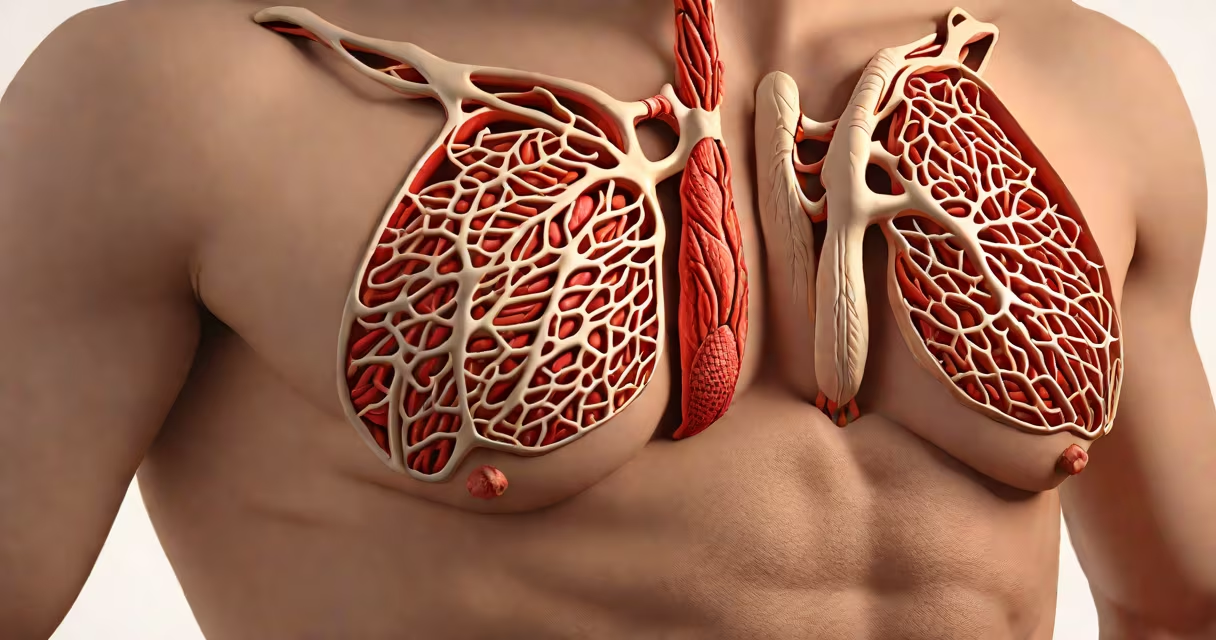
Soreness across the upper chest typically results from muscle strain, inflammation of the rib cartilage (costochondritis), or other musculoskeletal issues. While often harmless, persistent or severe pain warrants medical evaluation.
Most cases stem from:
Less commonly, it may indicate heartburn, heart conditions, or lung issues. The American Heart Association notes that chest pain with shortness of breath, nausea, or breaking out in a cold sweat requires immediate attention.
Descriptions vary but often include:
Unlike heart-related pain, it usually doesn't radiate to arms or jaw. A 2018 study in Journal of Clinical Medicine found that costochondritis accounts for about 30% of non-cardiac chest pain cases.
Schedule an appointment if:
Doctors may perform physical exams, X-rays, or ECGs to rule out serious conditions. Treatment often involves rest, ice, and over-the-counter pain relievers.
Many assume upper chest soreness always signals heart problems. However, Harvard Medical School reports that only about 15% of chest pain cases relate to cardiac issues. Others confuse it with heartburn, which typically feels like burning behind the breastbone.
I once experienced persistent upper chest soreness after intense weightlifting. After ruling out serious conditions, my doctor diagnosed muscle strain and recommended stretching exercises. The pain resolved within two weeks with proper care.
To reduce risk:
For persistent or unexplained pain, consult a healthcare provider to determine the underlying cause and appropriate treatment.