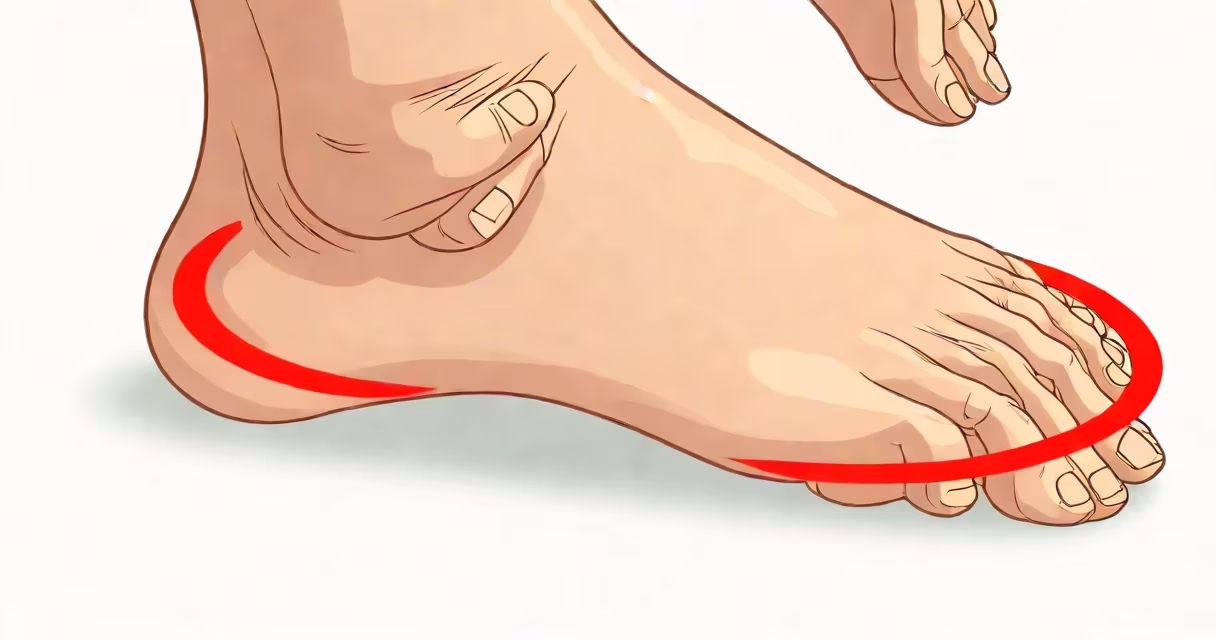
A stabbing pain at the bottom of your heel typically indicates plantar fasciitis, an inflammation of the thick band of tissue connecting your heel bone to your toes. This condition is most painful in the morning or after long periods of rest.
The plantar fascia acts like a shock absorber for your foot. When it becomes inflamed, tiny tears form in the tissue, leading to pain. The stabbing sensation occurs because the inflammation irritates nearby nerves. Walking or standing can aggravate the condition, while rest may provide temporary relief.
According to the American Academy of Orthopaedic Surgeons, plantar fasciitis is one of the most common causes of heel pain, affecting about 2 million Americans annually.
While stabbing pain is most often linked to plantar fasciitis, other conditions can cause similar discomfort:
| Type of Pain | Possible Cause | Key Symptom |
|---|---|---|
| Sharp, stabbing pain | Plantar fasciitis | Worst in the morning or after sitting |
| Dull, aching pain | Heel spur | Pain when walking or standing for long periods |
| Burning or tingling pain | Nerve irritation (tarsal tunnel syndrome) | Numbness in the foot |
Many people assume heel pain will go away on its own, but ignoring it can worsen the condition. Others try to push through the pain, which can lead to further damage. A common misconception is that only runners or athletes get plantar fasciitis-anyone can develop it, regardless of activity level.
I once had a patient who thought their heel pain was due to old shoes. While footwear can contribute, the real issue was untreated plantar fasciitis. After proper treatment, their pain improved.
If the stabbing pain persists for more than a few weeks, or if it interferes with daily activities, consult a healthcare professional. A doctor can diagnose the underlying cause and recommend appropriate treatment. Ignoring persistent heel pain can lead to chronic issues, making it harder to treat later.
According to the Mayo Clinic, early intervention is key to managing plantar fasciitis effectively.
Most cases of plantar fasciitis improve with conservative treatments, such as:
In severe cases, a doctor may recommend corticosteroid injections or surgery. Physical therapy can also help strengthen the foot and improve flexibility.