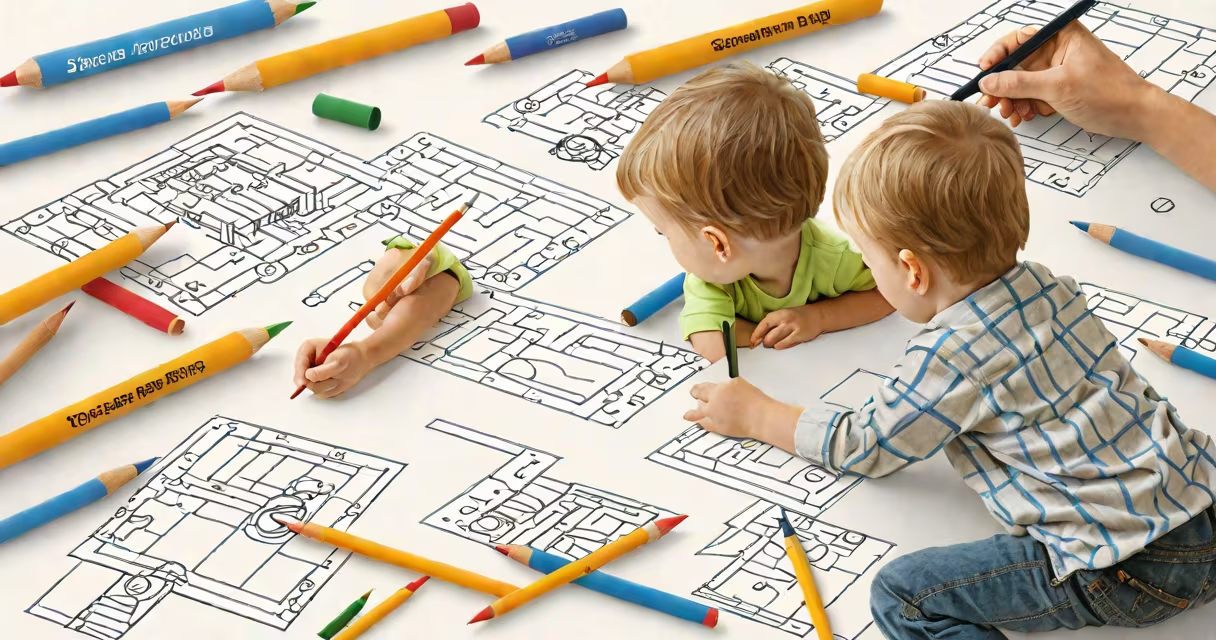
Stages of writing for preschoolers describe how children develop writing skills from ages 3 to 5. These stages show the progression from random scribbles to intentional marks, letters, and simple words.
Preschoolers move through distinct phases as they build fine motor control, hand-eye coordination, and understanding of symbols. Each stage prepares them for the next level of writing readiness.
The stages of writing for preschoolers typically include:
These stages appear in preschool classrooms, homes, and childcare settings. Teachers and parents use them to track progress and support early literacy development.
For example, a teacher might encourage a child in the scribbling stage by providing large crayons and thick paper. As the child progresses, the adult can introduce tracing activities or letter recognition games.
Many people assume preschoolers should write neatly or form letters perfectly. However, the focus at this age is on developing fine motor skills and understanding that symbols represent sounds and words.
According to the Reading Rockets, preschoolers should experiment with writing tools and explore different mark-making techniques rather than focusing on perfect letter formation.
At 3 years old, a child might create random scribbles on paper. By 4, they may attempt to write their name, even if it looks like "ABCD" instead of their actual name. By 5, they might write simple words like "MOM" or "DAD," though the letters may not be properly formed.
To support this development, parents can provide opportunities for free writing, such as letting the child draw and write freely without corrections. This builds confidence and encourages a love for writing.
When my nephew was 4, he loved scribbling with crayons. His parents gave him large, chunky crayons to help him grip them properly. Over time, his scribbles became more controlled, and he began experimenting with shapes and letters. By 5, he could write his name, though it wasn't perfect. The key was patience and encouragement rather than strict corrections.
Understanding the stages of writing for preschoolers helps adults support early literacy development. By recognizing each phase, caregivers can provide appropriate tools and activities to nurture a child's writing process.
For more on early literacy, see our guide on free-will writing activities for kids.