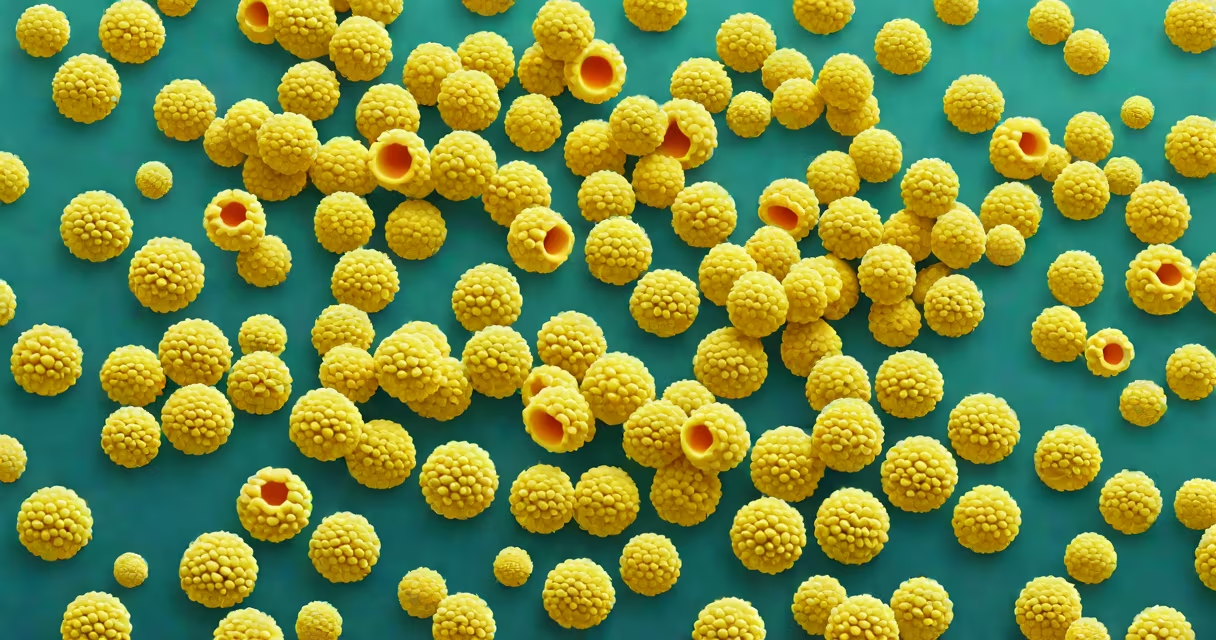
Staphylococcus in the throat refers to an infection caused by Staphylococcus bacteria, often Staphylococcus aureus, which can lead to sore throat, fever, and other symptoms. These bacteria typically live harmlessly on the skin and in the nose but can cause infections when they enter the throat.
Staphylococcus bacteria enter the throat through direct contact with infected individuals or contaminated surfaces. They thrive in moist environments, making the throat a prime target. Once inside, the bacteria multiply and release toxins that irritate the throat lining, causing inflammation and pain.
The most common type is caused by Staphylococcus aureus, but other strains like Staphylococcus epidermidis can also infect the throat. These infections are less common than strep throat, caused by Streptococcus bacteria, but they share similar symptoms.
| Type | Common Symptoms | Severity |
|---|---|---|
| Staphylococcus aureus | Sore throat, fever, swollen lymph nodes | Moderate to severe |
| Staphylococcus epidermidis | Mild throat irritation, occasional fever | Mild to moderate |
Symptoms of staphylococcus in the throat include a sudden sore throat, fever, swollen lymph nodes, and sometimes white patches or pus on the tonsils. Unlike viral infections, bacterial infections like staphylococcus often cause high fever and severe throat pain. Doctors diagnose the infection through a throat swab and culture test, identifying the specific bacteria causing the infection.
Antibiotics are the primary treatment for staphylococcus throat infections. Penicillin and amoxicillin are commonly prescribed, but resistance to these drugs is increasing. In cases of antibiotic resistance, doctors may prescribe alternative antibiotics like clindamycin or vancomycin. Over-the-counter pain relievers and throat lozenges can help manage symptoms while the antibiotics work.
For mild cases, natural remedies like saltwater gargles, honey, and herbal teas can provide temporary relief. However, these should not replace antibiotics for bacterial infections. Always consult a doctor before attempting home remedies, especially for children or those with weakened immune systems.
To prevent staphylococcus infections, practice good hygiene by washing hands frequently and avoiding close contact with infected individuals. Disinfect surfaces that may harbor bacteria, and avoid sharing personal items like utensils or toothbrushes. Strengthening the immune system through a balanced diet, regular exercise, and adequate sleep can also help prevent infections.
If you suspect a staphylococcus infection, seek medical attention promptly. Early treatment can prevent complications like abscesses or sepsis. Understanding the symptoms and risk factors can help you recognize and address the infection quickly.