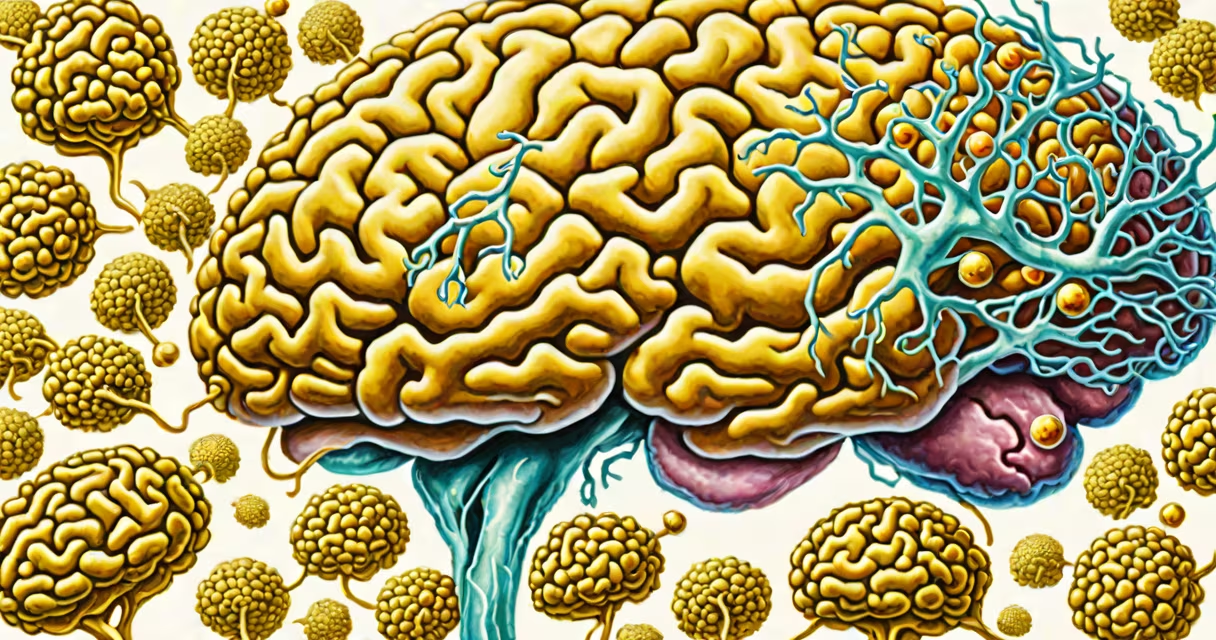
A staph brain infection occurs when Staphylococcus bacteria invade the brain tissue, often leading to severe conditions like bacterial meningitis or encephalitis. These infections typically arise from untreated staph infections elsewhere in the body, such as skin or bloodstream infections.
Staphylococcus aureus, the most common staph bacterium, usually enters the bloodstream through wounds, surgical sites, or intravenous lines. From there, it can travel to the brain, where it triggers inflammation and infection. The blood-brain barrier, which normally protects the brain from pathogens, can be compromised by conditions like sepsis from staph infection or severe immune suppression.
| Type | Primary Cause | Common Symptoms |
|---|---|---|
| Bacterial Meningitis | Staph bacteria infecting the meninges (brain lining) | High fever, stiff neck, severe headache, confusion |
| Encephalitis | Staph bacteria infecting brain tissue | Altered mental state, seizures, memory loss |
| Brain Abscess | Localized staph infection forming pus-filled pockets | Focal neurological deficits, persistent headaches |
Doctors diagnose staph brain infections using imaging techniques like MRI or CT scans, along with lumbar punctures to analyze cerebrospinal fluid. Treatment typically involves intravenous antibiotics like vancomycin or linezolid, which are effective against methicillin-resistant Staphylococcus aureus (MRSA). In severe cases, surgery may be required to drain abscesses or relieve pressure.
Early intervention is critical, as untreated staph brain infections can lead to long-term neurological damage or death. Patients with suspected infections should seek immediate medical attention, especially if they exhibit symptoms like sudden confusion, high fever, or severe headaches.
I once witnessed a case where a patient developed a staph brain infection following an untreated skin infection. The delay in treatment led to severe complications, highlighting the importance of prompt medical care for any suspected staph-related symptoms.