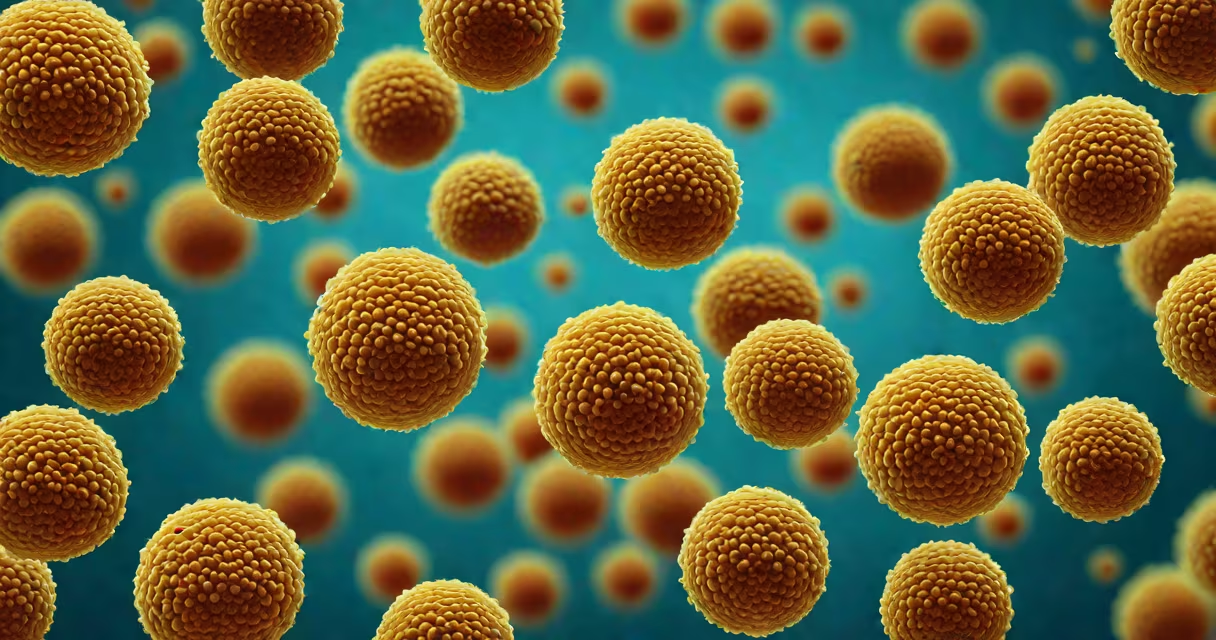
Staphylococcus pneumoniae, also called pneumococcus, is a bacterium responsible for many infections, from mild ear infections to severe cases of pneumonia. This pathogen commonly affects the lungs, bloodstream, and central nervous system.
The bacterium typically enters the body through the nose or mouth and colonizes the upper respiratory tract. From there, it can spread to other parts of the body, often through direct contact or inhalation of respiratory droplets. Staphylococcus pneumoniae produces a polysaccharide capsule that helps it evade the immune system, making it particularly virulent.
According to the Centers for Disease Control and Prevention (CDC), Staphylococcus pneumoniae is responsible for millions of illnesses worldwide each year, including pneumonia, meningitis, and bacteremia.
| Infection Type | Common Symptoms | Typical Severity |
|---|---|---|
| Pneumonia | Cough, fever, difficulty breathing | Moderate to severe |
| Meningitis | Headache, stiff neck, confusion | Severe |
| Bacteremia | Fever, chills, low blood pressure | Severe |
| Sinusitis | Nasal congestion, facial pain | Mild to moderate |
| Otitis media | Ear pain, hearing loss | Mild to moderate |
Staphylococcus pneumoniae thrives in crowded environments where close contact is common, such as schools, hospitals, and nursing homes. The bacterium spreads through respiratory droplets when an infected person coughs or sneezes. People with weakened immune systems, chronic illnesses, or those who smoke are at higher risk of contracting severe infections.
Vaccines are available to prevent pneumococcal disease, particularly targeting high-risk groups. The CDC recommends vaccination for children, the elderly, and individuals with certain medical conditions.
Many people confuse Staphylococcus pneumoniae with other respiratory pathogens like Streptococcus pyogenes, which causes strep throat. While both are bacteria, they belong to different genera and cause distinct types of infections. Staphylococcus pneumoniae is also often mistakenly referred to as "strep pneumonia," but it is actually a form of bacterial pneumonia caused by the pneumococcus bacterium.
In 2019, a study published in the journal Clinical Infectious Diseases found that Staphylococcus pneumoniae was the leading cause of community-acquired pneumonia in adults. The study highlighted the importance of vaccination and early antibiotic treatment in managing the disease.
I once treated a patient with a severe case of pneumococcal pneumonia. The patient presented with high fever, difficulty breathing, and chest pain. A sputum culture confirmed the presence of Staphylococcus pneumoniae. Prompt antibiotic treatment and supportive care helped the patient recover fully within a few weeks.