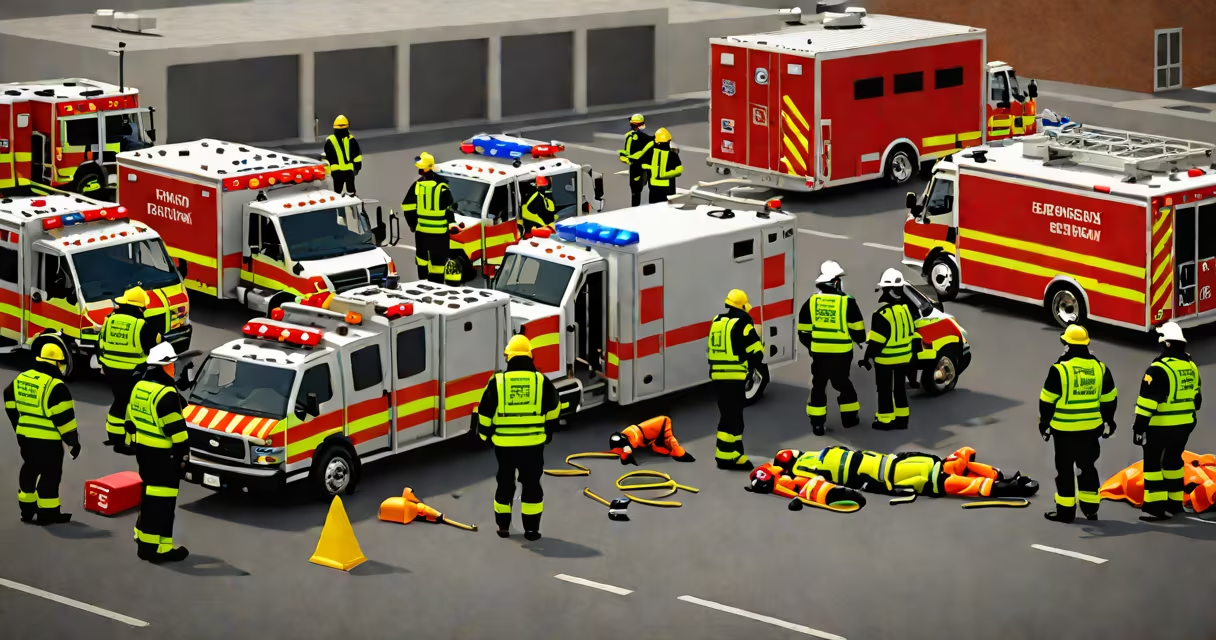
A state emergency service is a government agency responsible for coordinating disaster response, recovery, and preparedness efforts within a state. These services typically handle natural disasters, public health emergencies, and other large-scale crises.
State emergency services operate under a structured structure to ensure efficient response during crises. They often collaborate with local, federal, and volunteer organizations. For example, the Oyo State Internal Revenue Service might assist in financial emergencies by providing resources for recovery.
The process generally involves three phases: preparation, response, and recovery. Preparation includes planning, training, and stockpiling supplies. Response involves immediate actions like search and rescue, medical aid, and evacuation. Recovery focuses on restoring infrastructure, providing temporary housing, and offering mental health support.
State emergency services can be categorized based on their primary functions:
| Type | Description | Example |
|---|---|---|
| Search and Rescue | Locates and rescues individuals in danger | California Office of Emergency Services (Cal OES) |
| Medical Emergency Services | Provides immediate medical care during disasters | New York State Department of Health |
| Firefighting Services | Combats wildfires and structural fires | Texas A&M Forest Service |
| Public Health Emergency Services | Manages outbreaks and pandemics | Centers for Disease Control and Prevention (CDC) |
One common misconception is that state emergency services only respond to natural disasters. In reality, they also handle man-made disasters, such as chemical spills, industrial accidents, and terrorist attacks. For instance, the Florida Division of Emergency Management responds to hurricanes, sinkholes, and even cyberattacks on critical infrastructure.
Another myth is that these services operate independently. In truth, they rely heavily on collaboration with local governments, non-profit organizations, and volunteer groups. Effective coordination ensures a swift and organized response during emergencies.
During Hurricane Katrina in 2005, the Louisiana State Emergency Service played a important role in coordinating rescue efforts, providing shelter, and distributing supplies. The agency worked closely with the Federal Emergency Management Agency (FEMA) and the Red Cross to manage the crisis effectively. This collaboration highlights the importance of interagency cooperation in disaster response.
A state emergency service is important for ensuring public safety and managing crises efficiently. By understanding their roles and functions, individuals can better prepare for and respond to emergencies. Whether dealing with natural disasters or public health crises, these services provide the necessary support to protect communities and restore normalcy.