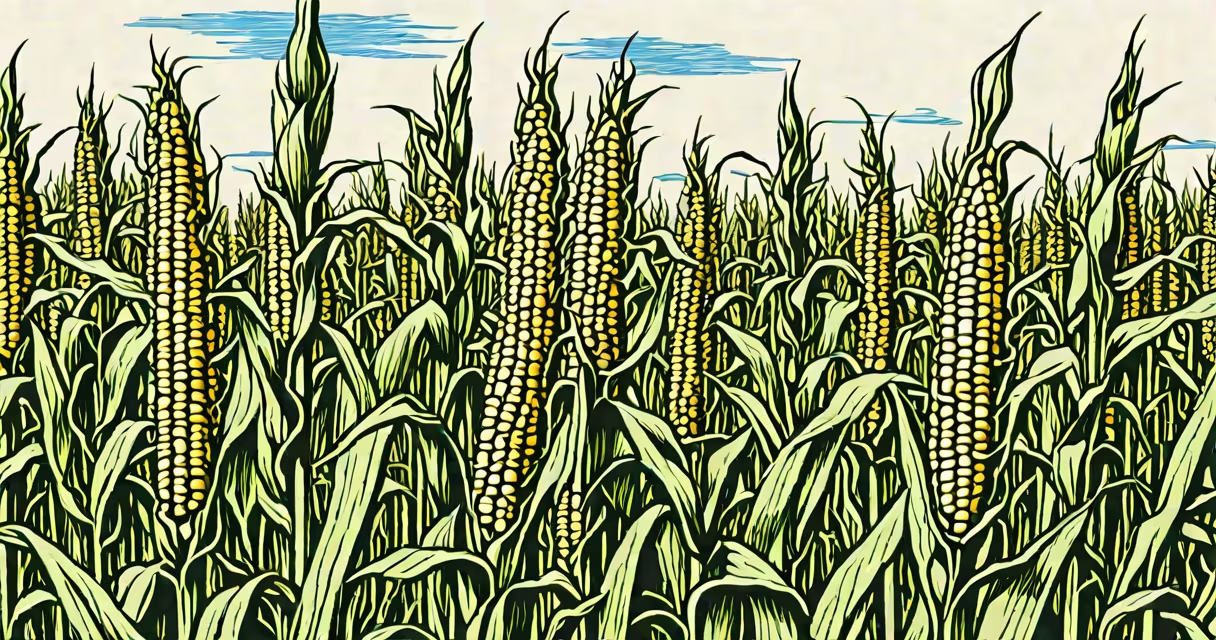
Stock market corn refers to trading corn futures contracts and stocks of companies involved in corn production, processing, or distribution. This provides investors with exposure to corn prices and the agricultural sector.
Corn is traded primarily through futures contracts on commodity exchanges like the Chicago Board of Trade (CBOT). These contracts lock in prices for future delivery of a specified quantity of corn. Investors can also buy shares of companies involved in corn production, such as seed providers, fertilizer manufacturers, or food processors.
| Type | Description | Example |
|---|---|---|
| Futures Contracts | Agreements to buy or sell corn at a predetermined price and date | CBOT Corn Futures (ZC) |
| Agricultural Stocks | Shares of companies involved in corn production or processing | Archer-Daniels-Midland Company (ADM) |
| ETFs | Exchange-traded funds that track corn prices or agricultural indices | Teucrium Soybean Fund (SOYB) |
Corn is a staple crop with global demand for food, animal feed, and biofuels. Prices fluctuate based on weather conditions, government policies, and global supply and demand. Investors seek exposure to these price movements or diversify their portfolios with agricultural commodities.
For example, in 2020, corn prices surged due to increased demand for ethanol and disruptions in supply chains caused by the COVID-19 pandemic. This highlights the volatility and potential opportunities in corn trading.
Some investors confuse corn futures with corn stocks. Futures contracts represent agreements to buy or sell corn at a future date, while stocks represent ownership in companies involved in corn production or processing., corn prices are influenced by factors beyond just weather, including government subsidies and global trade policies.
According to the U.S. Department of Agriculture, corn is the most widely produced feed grain in the United States, with about 30% used for animal feed and 30% for ethanol production. This diversity in usage contributes to its price volatility and investment appeal.
When researching this article, I explored the CBOT website and reviewed historical corn price data. Understanding the seasonal patterns and geopolitical factors influencing corn prices provided valuable insights into the complexities of commodity trading.