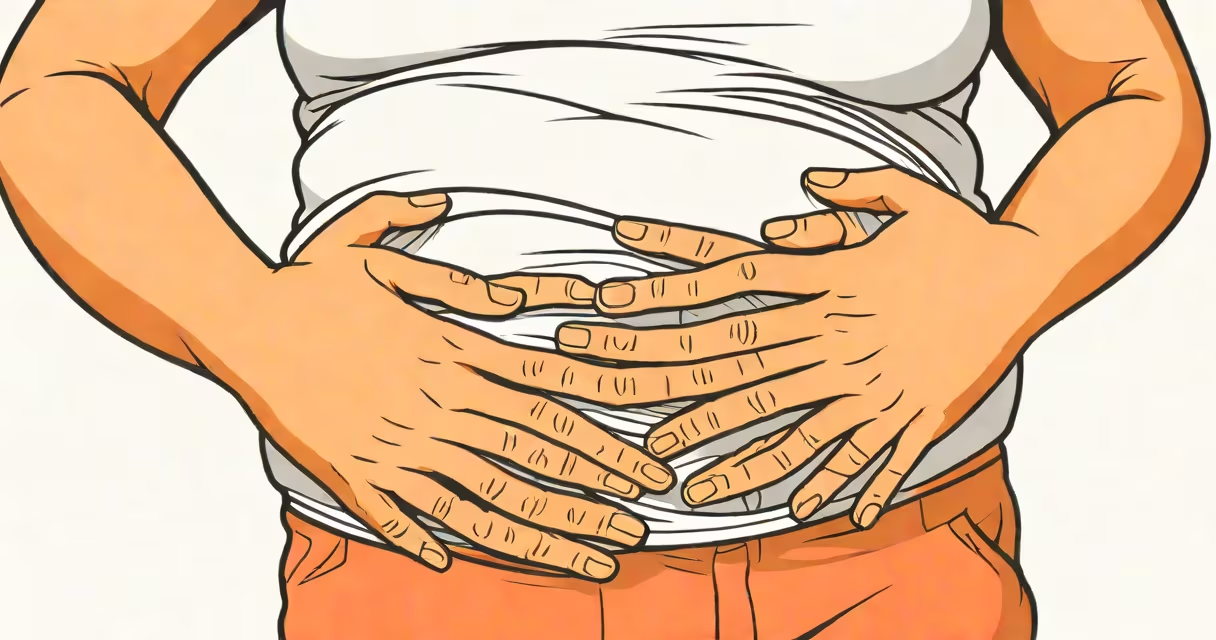
A stomach bloated and sore to touch typically results from gas buildup, digestive disorders, or food sensitivities. This discomfort often occurs when pressure from bloating irritates nerve endings in the abdominal wall.
When your stomach feels bloated and tender, it's usually due to trapped air or fluid in the digestive tract. The soreness happens because the stretched abdominal muscles press against internal organs, triggering pain receptors. Common triggers include overeating, swallowing air, or eating gas-producing foods like beans and cruciferous vegetables.
The most frequent causes of a bloated, sore stomach include:
Most cases resolve with lifestyle changes, but persistent or severe symptoms may indicate a serious condition. Seek medical attention if bloating and pain last longer than three days, worsen suddenly, or come with fever, vomiting, or blood in stool. These could signal conditions like appendicitis, gallstones, or ovarian cysts.
According to the American Gastroenterological Association, chronic bloating affects about 16% of people and often coincides with other digestive symptoms. If over-the-counter remedies don't help, consult a doctor to rule out underlying issues.
To ease bloating and soreness, try these steps:
For persistent bloating, consider keeping a food diary to identify triggers. If symptoms suggest IBS or another disorder, a doctor may recommend dietary changes or medications like antispasmodics or laxatives.
Many people assume bloating is always caused by food, but stress and hormonal changes (like those during menstruation) can also trigger it., while bloating often feels like weight gain, it's usually temporary and unrelated to fat storage.
Another myth is that bloating only affects overweight individuals. Thin people can experience it just as frequently due to diet, digestion, or underlying conditions.
Last winter, I noticed my stomach feeling bloated and sore after meals, especially when eating salads with raw vegetables. After tracking my diet, I realized cruciferous veggies like broccoli and cabbage were the culprits. Switching to cooked versions reduced bloating, confirming that food preparation matters as much as food choice.
To avoid bloating and soreness:
A stomach bloated and sore to touch usually stems from gas, food sensitivities, or digestive disorders. While mild cases often resolve with lifestyle adjustments, persistent or severe symptoms may require medical attention. Paying close attention to diet and stress levels can help prevent future discomfort.