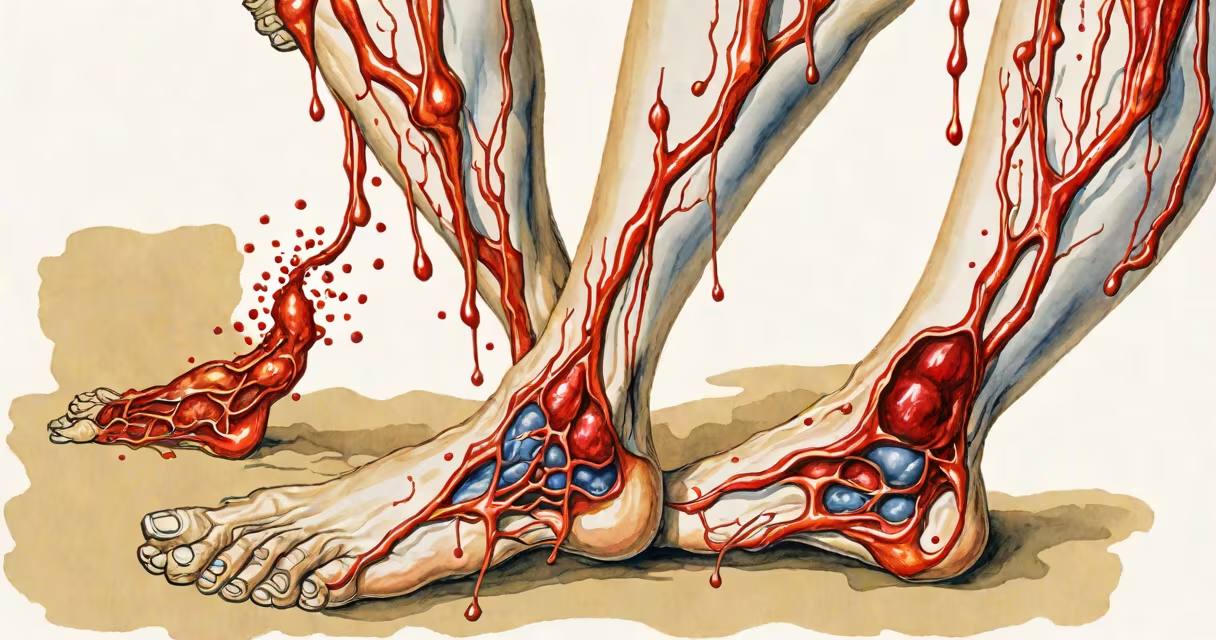
A streptococcus infection in leg occurs when group A streptococcus (GAS) bacteria invade skin or muscle tissue, causing cellulitis. Symptoms include redness, swelling, warmth, and pain in the affected area.
Strep bacteria typically enter through a break in the skin, such as a cut or scrape. Once inside, they multiply rapidly, triggering an immune response that leads to inflammation. The infection can spread to surrounding tissues if untreated.
| Type | Description | Common Locations |
|---|---|---|
| Cellulitis | Bacterial infection of the skin and underlying tissues | Lower legs, arms, face |
| Erysipelas | Deeper skin infection with distinct borders | Legs, face |
| Necrotizing fasciitis | Rare, life-threatening infection destroying skin, fat, and muscle | Any part of the body |
Streptococcus infections commonly affect the lower legs due to increased vulnerability from minor injuries, poor circulation, or conditions like eczema. The bacteria thrive in warm, moist environments, making the legs a prime target.
Many people confuse streptococcus infections with staphylococcus infections. While both are bacterial, they require different treatments. Streptococcus infections are often caused by group A streptococcus (GAS), whereas staphylococcus infections are typically caused by Staphylococcus aureus.
Another misconception is that streptococcus infections are always severe. While some cases can be serious, many are mild and respond well to antibiotics.
Consider a scenario where an individual sustains a small cut on their lower leg while gardening. If the wound is not properly cleaned and protected, strep bacteria can enter and cause a streptococcus infection. The person may notice redness, swelling, and warmth around the cut within 24-48 hours. If left untreated, the infection can spread, leading to more severe symptoms like fever and chills.
In such cases, prompt medical attention is important. A healthcare professional may prescribe oral antibiotics like penicillin or cephalexin. For more severe infections, intravenous antibiotics may be necessary. Proper wound care, including cleaning and covering the affected area, is essential to prevent further complications.
I once treated a patient with a streptococcus infection in the leg. The infection was caught early, and with a course of antibiotics and proper wound care, the patient recovered fully within a week. Early intervention is key to preventing more serious health issues.