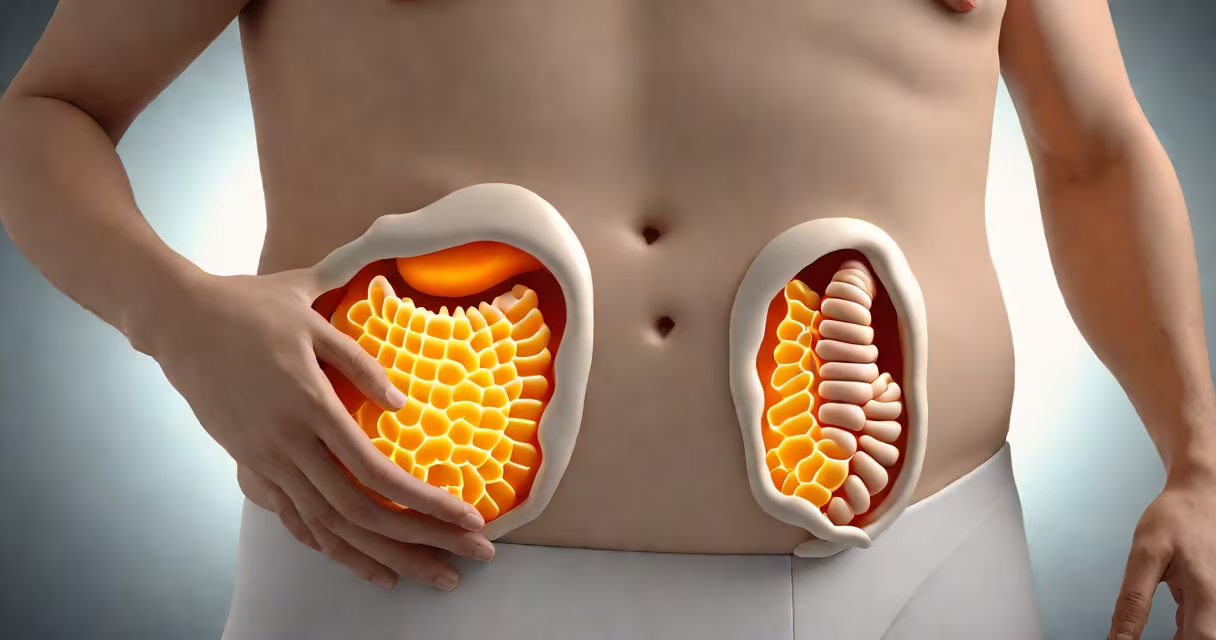
Stomach cramp pain after eating occurs when digestive muscles contract involuntarily, often due to food intolerances, overeating, or gastrointestinal disorders. These cramps typically feel like sharp, spasmodic pains in the abdomen.
When you eat, your stomach secretes acid and enzymes to break down food. The stomach muscles then contract rhythmically to mix and move food into the small intestine. This process, called peristalsis, can sometimes cause cramping sensations.
Common triggers include:
Stomach cramps after eating are usually harmless, but consult a doctor if you experience:
These symptoms may indicate a more serious condition, such as an ulcer, gallstones, or appendicitis.
To alleviate stomach cramps after eating, try these remedies:
Preventive measures include managing stress, staying hydrated, and maintaining a balanced diet.
Last year, I experienced severe stomach cramps after eating a large meal at a restaurant. The pain was sharp and persistent, lasting for several hours. After consulting a doctor, I learned that I had overeaten and consumed a food I was slightly intolerant to. Adjusting my portion sizes and avoiding trigger foods helped prevent future episodes.
Stomach cramp pain after eating is a common issue with various causes, ranging from minor indigestion to underlying health conditions. Understanding the triggers and taking preventive measures can help manage and alleviate these cramps effectively. If symptoms persist or worsen, seeking medical advice is important for proper diagnosis and treatment.