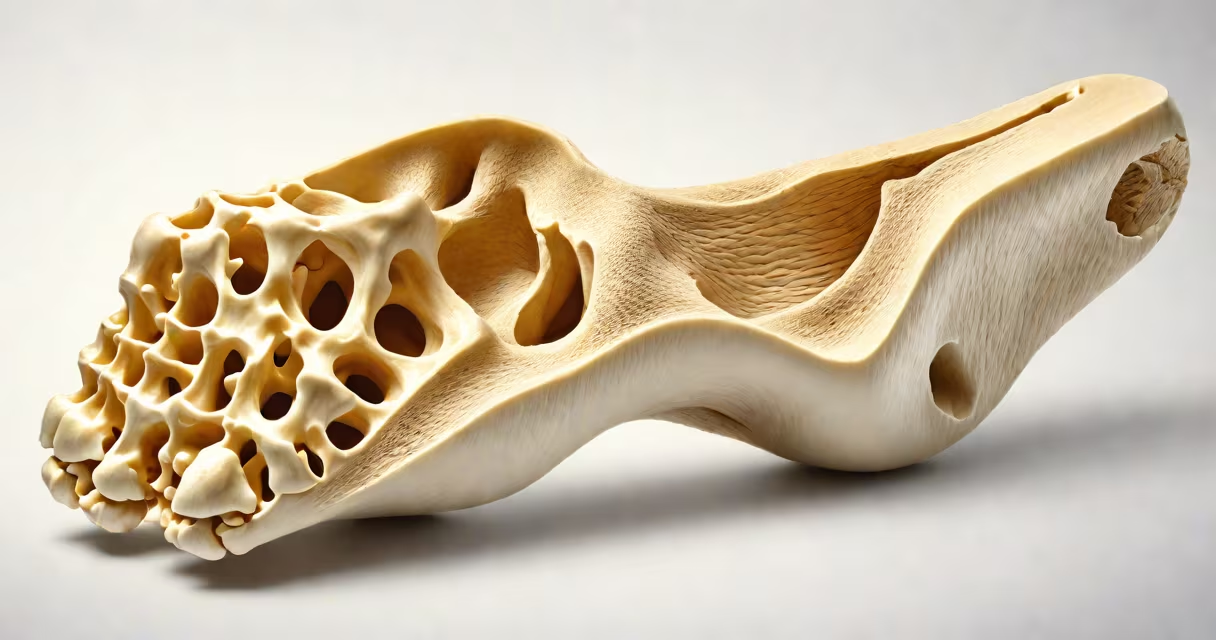
A swollen cuboid bone typically indicates inflammation or injury to the cuboid, a cube-shaped bone in the outer foot near the little toe. This swelling often results from cuboid syndrome, a condition affecting the peroneus longus tendon that stabilizes the cuboid.
How the Cuboid Bone Works
The cuboid is one of seven tarsal bones in the foot. It connects to the fourth and fifth metatarsals (toe bones) and articulates with the calcaneus (heel bone). The peroneus longus tendon runs beneath the cuboid, helping stabilize the arch during movement. When this tendon becomes inflamed or the cuboid shifts out of place, it can cause swelling and pain-a condition known as cuboid syndrome.
Main Causes of Swelling
Swelling in the cuboid bone usually stems from:
Overuse injuries: Repetitive stress from running or jumping can irritate the peroneus longus tendon.
Foot deformities: Conditions like flat feet or high arches increase pressure on the cuboid.
Trauma: A direct blow to the foot or ankle sprain can displace the cuboid.
Poor footwear: Unsupportive shoes or sudden changes in footwear can contribute to swelling.
Symptoms Beyond Swelling
Beyond visible swelling, cuboid syndrome may cause:
Sharp pain on the outer foot, especially when bearing weight.
Tenderness when touching the cuboid area.
Difficulty walking or standing for long periods.
Limited range of motion in the foot or ankle.
Diagnosis and Treatment
Doctors diagnose cuboid syndrome through physical exams and imaging tests like X-rays or MRIs. Treatment options include:
Rest and ice: Reducing activity and applying ice can decrease inflammation.
Manual manipulation: A podiatrist may realign the cuboid bone.
Orthotics: Custom shoe inserts can support the arch and reduce pressure.
Anti-inflammatory medications: NSAIDs like ibuprofen can relieve pain.
In severe cases, surgery may be required to repair ligament damage.
Prevention Tips
To avoid cuboid-related issues:
Wear supportive footwear with good arch support.
Stretch the foot and ankle regularly.
Gradually increase exercise intensity to avoid overuse.
Use compression wraps during high-impact activities.