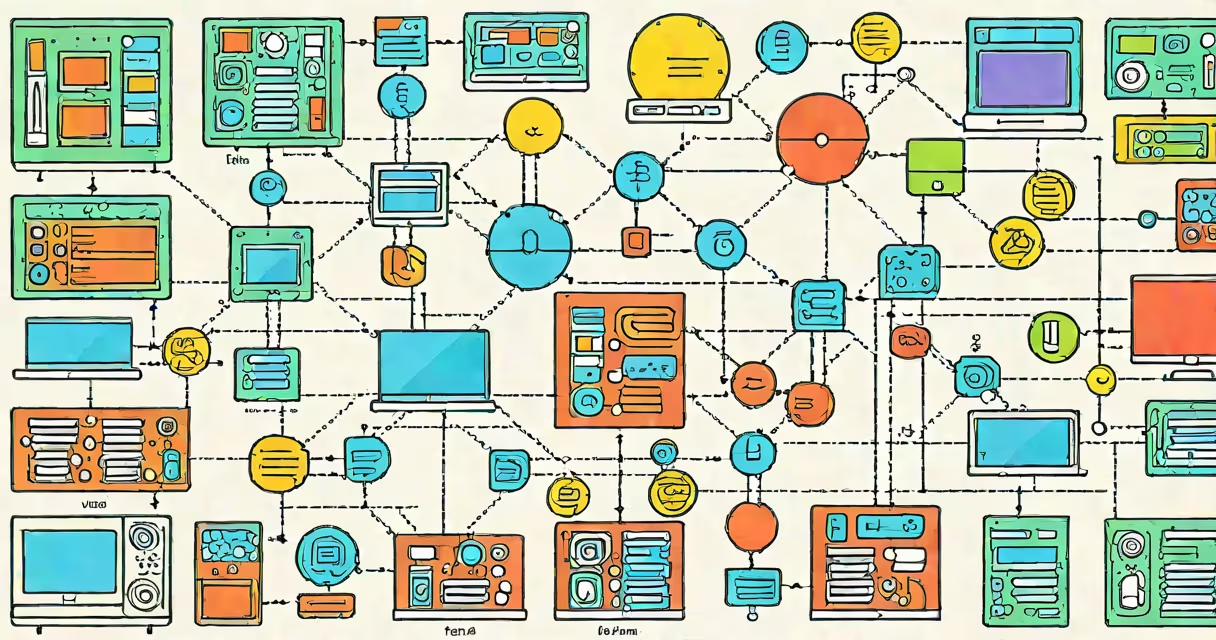
System design in software engineering is the process of defining the architecture, components, modules, interfaces, and data for a system to satisfy specified requirements. It bridges the gap between high-level requirements and actual implementation, ensuring systems are scalable, reliable, and maintainable.
System design involves creating a blueprint for software systems before coding begins. Engineers analyze requirements, propose solutions, and evaluate trade-offs. For example, designing a social media platform requires decisions about databases, servers, load balancing, and caching to handle millions of users.
System design comprises several key elements:
System design is critical in building large-scale applications like e-commerce platforms, social networks, and cloud services. For instance, Amazon's system design ensures it handles peak shopping events like Black Friday without crashes. Engineers use system design to anticipate problems, improve performance, and reduce costs.
Many confuse system design with system architecture, but architecture focuses on high-level structures, while design includes detailed planning and trade-offs. Another mistake is assuming system design is only for large companies. Even small applications benefit from thoughtful design to avoid technical debt.
For example, a startup building a ride-sharing app must design a system that scales from initial users to millions, handling real-time location tracking, payments, and driver matching. Poor design leads to bottlenecks, downtime, and high maintenance costs.
I once worked on a project where we initially ignored system design, leading to frequent outages. After redesigning with proper scalability and redundancy, the system ran smoothly even under heavy load.
| Type | Description | Example |
|---|---|---|
| Monolithic Architecture | A single, unified software application. | Early versions of Facebook. |
| Microservices | Small, independent services communicating via APIs. | Netflix's content delivery system. |
| Serverless Architecture | Event-driven computing without managing servers. | AWS Lambda for handling sporadic workloads. |
Each type has trade-offs. Monolithic systems are simpler to develop but harder to scale, while microservices offer flexibility but require complex management. Serverless architectures reduce operational overhead but may increase costs for continuous workloads.
Successful system design addresses several factors:
For example, Google's search engine design prioritizes performance and reliability, using distributed systems and redundant components to handle billions of queries daily.
Engineers follow best practices to create effective system designs:
System design is both an art and a science, requiring creativity and analytical skills. By understanding core principles and common pitfalls, engineers can build solid, scalable systems that meet user needs.