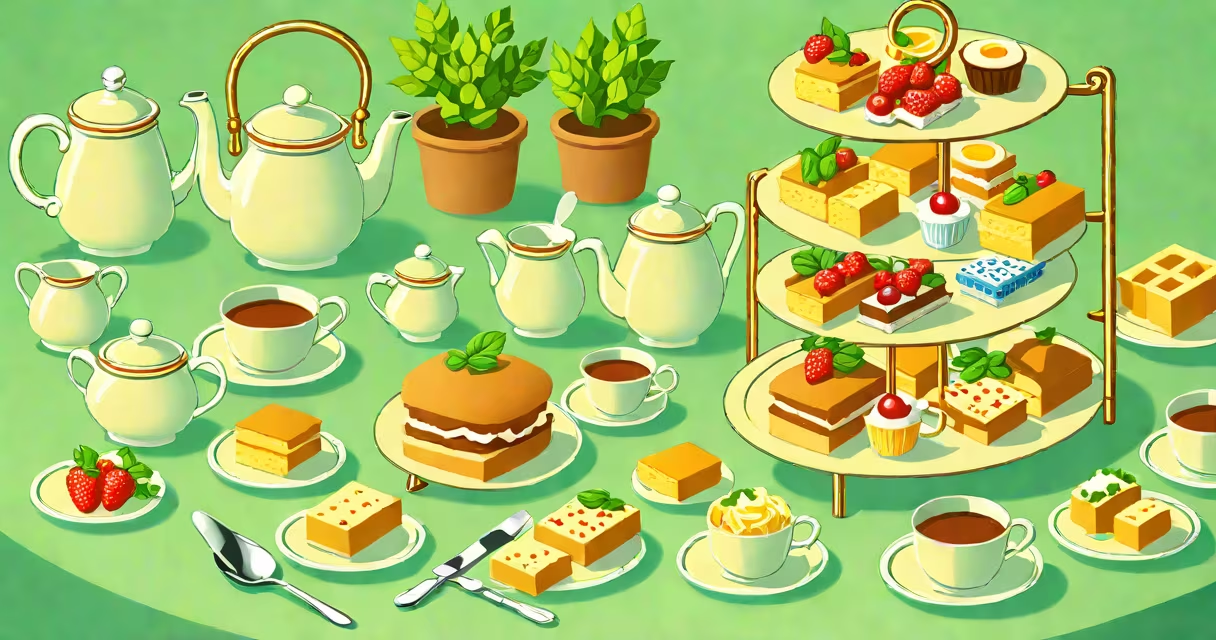
Teatime and lunchtime are scheduled meal breaks that differ in purpose, timing, and cultural significance. While lunch is a midday meal, teatime is an afternoon ritual often paired with light bites.
Lunchtime typically occurs between 12 PM and 2 PM, serving as a primary meal to replenish energy after morning work. Teatime, usually between 3 PM and 5 PM, offers a lighter snack to bridge the gap until dinner.
The two main types of teatime are:
Lunch varies widely but generally includes a main dish, such as a salad, sandwich, or hot meal.
Teatime and lunchtime are observed globally, though their customs vary. Afternoon tea remains popular in Britain, while lunch is a universal practice. Both breaks serve as social and productivity-enhancing rituals.
Many confuse teatime with coffee breaks or high tea. Afternoon tea is a leisurely, social event, whereas high tea is a heartier meal. Lunchtime is strictly a midday meal, not an extended snack session.
For example, a typical British afternoon tea includes cucumber sandwiches, scones with clotted cream, and Earl Grey tea. Lunchtime might feature a grilled chicken salad or a cheeseburger, depending on regional preferences.
Understanding teatime and lunchtime helps in planning schedules, especially in cultures where these breaks hold significant social value. Proper meal timing can improve productivity and well-being.
I once hosted an afternoon tea for colleagues, which became a cherished team-bonding activity. The structured break allowed for relaxation and creativity, proving the value of scheduled meal times beyond mere sustenance.