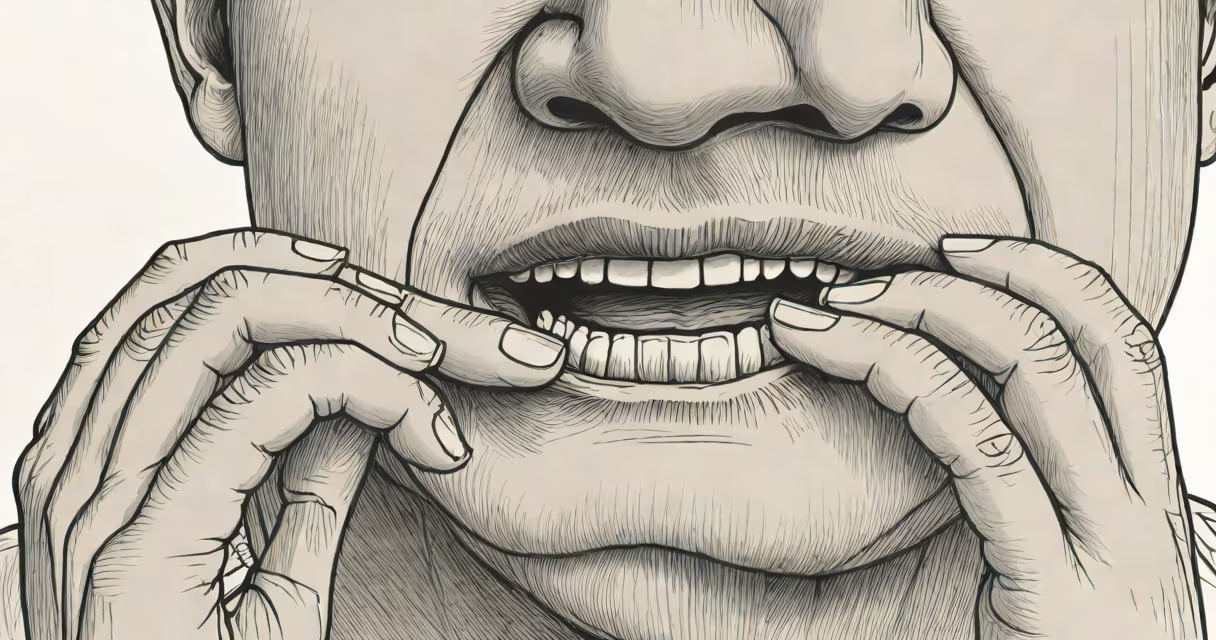
Teeth hurt with allergies because sinus pressure and inflammation from allergic reactions can irritate the nerves in your teeth. This referred pain often mimics a toothache, even though the actual issue lies in your sinuses.
When you have allergies, your immune system overreacts to harmless substances like pollen or dust, triggering inflammation. This inflammation can affect the maxillary sinuses, which are located above your upper teeth. The pressure and swelling from these inflamed sinuses can press on the roots of your upper teeth, causing pain that feels like it's coming from your teeth.
The discomfort you feel can vary depending on the severity of your allergies and the specific teeth involved. Common symptoms include:
Many people assume that the pain is coming directly from their teeth, leading them to visit a dentist for relief. However, since the pain is actually caused by sinus pressure, dental treatments like fillings or root canals won't help. This is why it's important to identify the root cause of the pain.
According to the American Academy of Otolaryngology, sinus-related tooth pain is often misdiagnosed as a dental issue. If you experience tooth pain during allergy season, consider consulting an ear, nose, and throat specialist to rule out sinus issues.
Last spring, I noticed a persistent dull ache in my upper molars. I assumed it was a cavity and scheduled a dentist appointment. However, my dentist examined my teeth and found no issues. She suggested that the pain might be due to sinus pressure from my seasonal allergies. After taking an over-the-counter antihistamine and using a nasal decongestant, the pain subsided within a few hours. This experience highlighted how easily sinus-related pain can be mistaken for dental problems.
To alleviate the pain, focus on reducing sinus inflammation. Over-the-counter antihistamines and decongestants can help., staying hydrated, using a saline nasal rinse, and applying warm compresses to your face can provide relief. If the pain persists, consult a healthcare provider to rule out other potential causes.