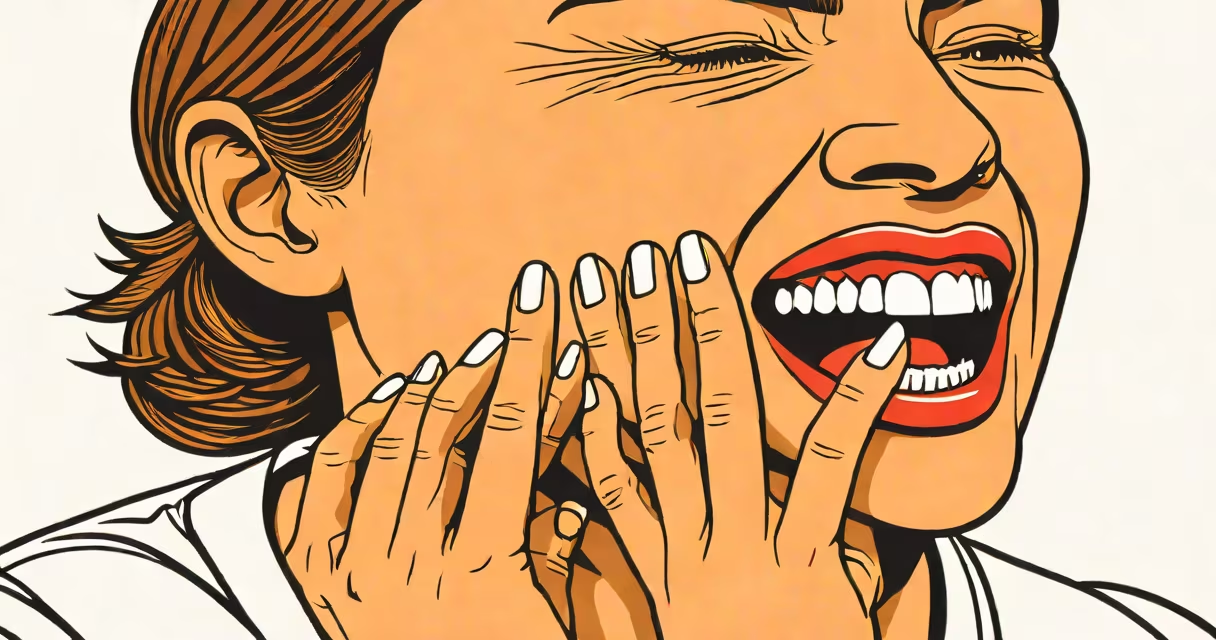
When teeth hurt on one side of your mouth, it typically indicates localized damage, infection, or inflammation. This unilateral pain often stems from cavities, gum disease, or trauma, though other medical conditions may contribute.
Tooth pain signals nerve irritation in the pulp-the innermost layer of a tooth. When bacteria, pressure, or injury reach the pulp, nerves react by sending pain signals to the brain. Because teeth share blood vessels and nerves with surrounding tissues, pain can radiate to the jaw, ear, or sinuses on the affected side.
The most common causes are:
Less obvious causes include sinus infections, migraines, or even heart issues. For example, a study in Headache found that 40% of migraine sufferers report tooth pain as a symptom.
Schedule an appointment if pain persists for more than 1-2 days, worsens at night, or includes swelling, fever, or foul-tasting drainage. These signs suggest an abscess or severe infection requiring immediate treatment.
I once ignored throbbing pain in my left molar for a week. By the time I visited the dentist, the infection had spread, requiring a root canal. Early intervention could have saved me time and discomfort.
Many people assume one-sided tooth pain always stems from dental issues. However, referred pain from the sinuses or temporomandibular joint (TMJ) can mimic dental pain. A 2021 study in Journal of Oral Rehabilitation found that 15% of patients with TMJ disorder reported tooth pain.
Another mistake is assuming over-the-counter pain relievers will fix the problem. While they mask symptoms temporarily, they don't address underlying causes like decay or infection.
Until you see a dentist, try these steps:
For persistent pain, especially if it spreads or worsens, seek professional care immediately. Delaying treatment can lead to tooth loss or systemic infection.
If your teeth hurt on one side of your mouth, don't ignore it. Identify the cause early and take action to prevent complications.