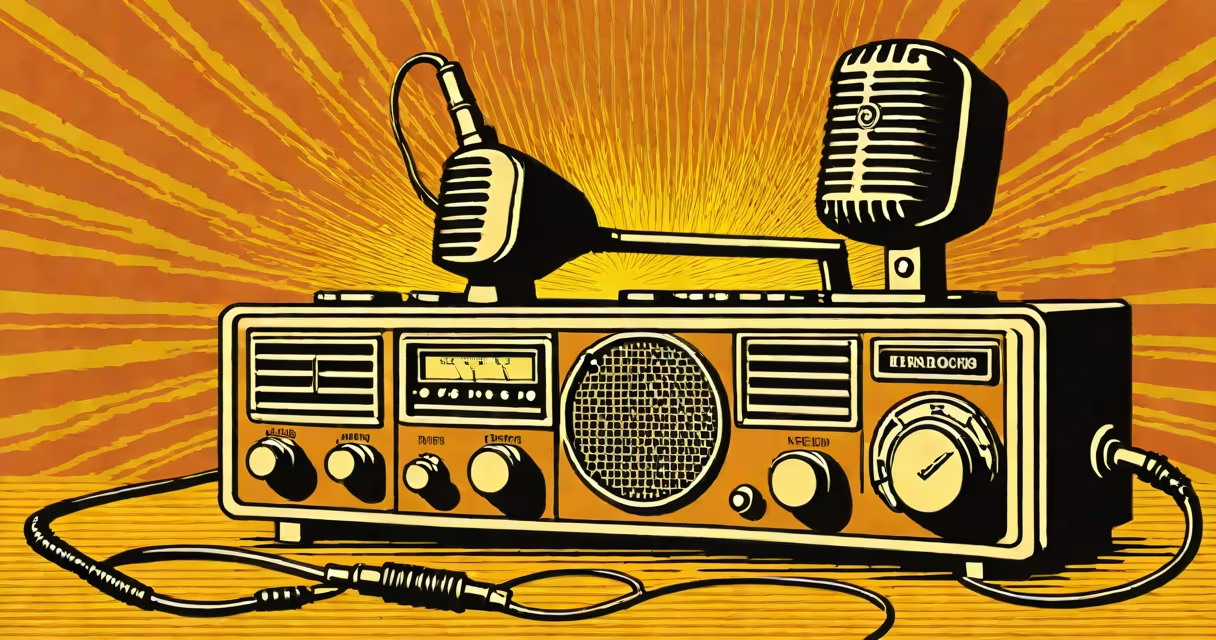
Ten-four means "message received and understood," originating from police and trucker radio codes. The phrase became iconic through CB radio culture in the 1970s.
Ten-four is part of a standardized numerical code system developed by the Association of Public-Safety Communications Officials International (APCO). Each number corresponds to a specific message:
While ten-four is the most famous, other common ten-codes include:
| Code | Meaning |
|---|---|
| 10-9 | Repeat message |
| 10-20 | Location |
| 10-36 | Correct time |
| 10-38 | Ambulance needed |
These codes remain in use today by law enforcement, firefighters, and truck drivers. The National Highway Traffic Safety Administration (NHTSA) still trains emergency responders in their use.
Ten-four originated in police radio communications but became popularized by truckers during the 1970s CB radio boom. It remains essential in environments requiring clear, concise communication:
Many people confuse ten-four with similar phrases like "copy that" or "roger." While all confirm receipt, they have distinct origins:
Ten-four is often mistakenly used to mean "yes" or "agreement," but its strict definition is "message received." This distinction is critical in professional settings where precision matters.
During my cross-country road trip, I monitored CB channels to hear truckers use ten-four. A driver reported a roadblock (10-55) and another responded with "ten-four" to confirm understanding. This exchange prevented other drivers from encountering the delay unexpectedly.
The system's efficiency became clear when a driver asked for the nearest fuel stop (10-30) and received a rapid response. Ten-four ensures critical information flows quickly and accurately.