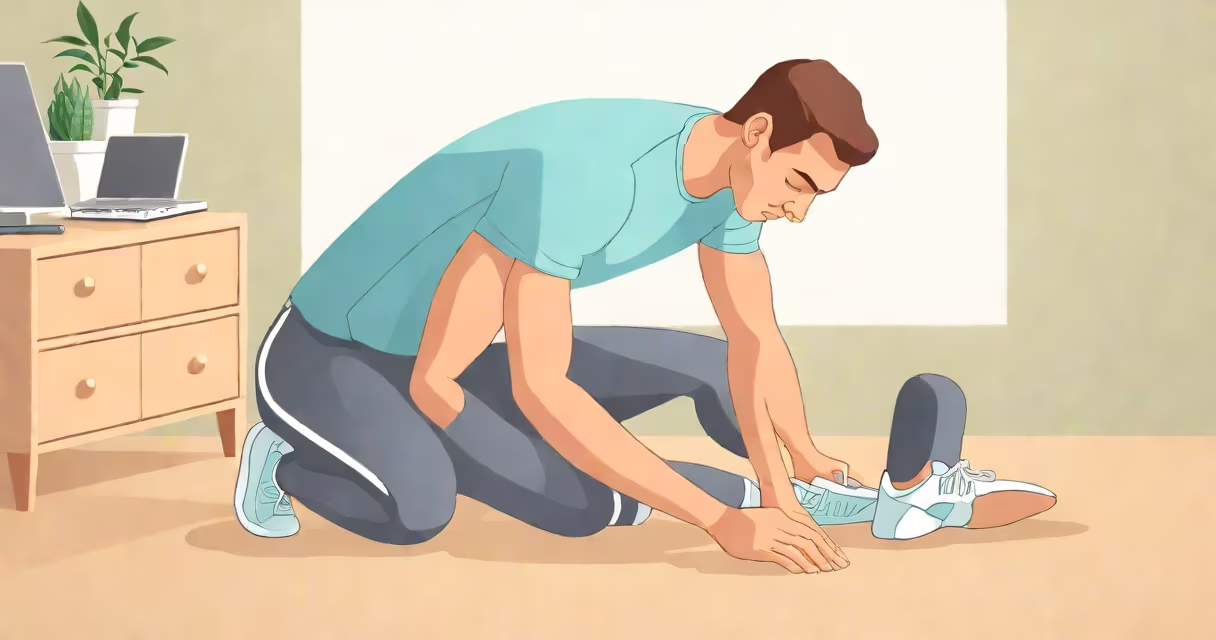
Tight lumbar muscles refer to excessive tension in the lower back muscles that support the spine. This common issue often results from prolonged sitting, poor posture, or overuse.
The lumbar region consists of five vertebrae, each cushioned by discs and supported by muscles and ligaments. When these muscles tighten, they can compress nerves, reduce flexibility, and contribute to chronic pain. Common causes include:
Tightness in the lumbar region typically affects specific muscle groups:
| Muscle Group | Role | Common Symptoms |
|---|---|---|
| Erector spinae | Extends and stabilizes the spine | Stiffness, reduced range of motion |
| Multifidus | Supports spinal segments | Localized pain, instability |
| Quadratus lumborum | Connects pelvis to spine | Sharp pain, difficulty bending sideways |
Many people confuse tight lumbar muscles with other conditions, such as herniated discs or sciatica. While these issues can coexist, muscle tightness itself is distinct. For example, tightness often responds well to stretching and massage, whereas disc problems may require medical intervention.
Targeted stretches can alleviate tension. One effective exercise is the seated forward bend:
Another option is the cat-cow stretch, which improves spinal mobility. Start on hands and knees, alternating between arching and rounding your back.
For those dealing with tight calf muscles alongside lumbar tightness, understanding the connection between these muscle groups can help. Learn more about why calf muscles are tight and how addressing them can improve back health.
If tightness persists despite stretching and self-care, consult a physical therapist or healthcare provider. Chronic tightness may indicate underlying issues like spinal stenosis or degenerative disc disease, which require specialized treatment.