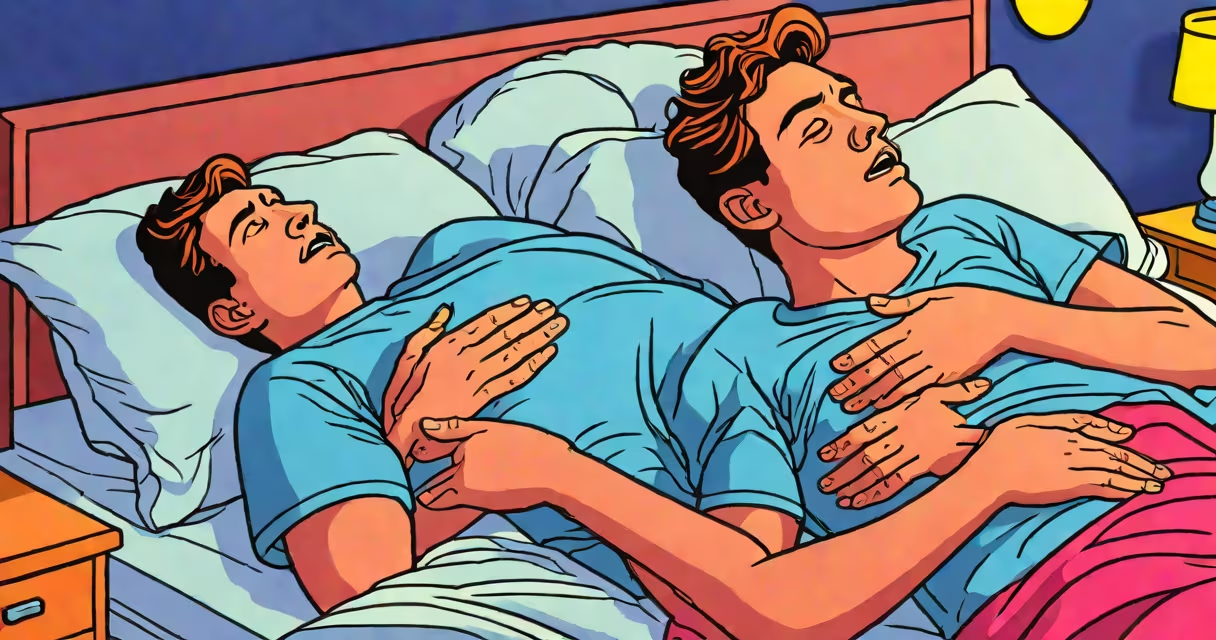
Tight chest pain at night is sudden, pressure-like discomfort in your chest while lying down or sleeping. It may signal heart problems or other conditions requiring medical attention.
Chest tightness occurs when muscles, nerves, or organs in your chest are irritated or compressed. At night, lying flat can worsen symptoms by increasing pressure on your chest cavity. The pain may feel like squeezing, burning, or heaviness.
Tight chest pain at night has many possible causes, ranging -threatening. Common triggers include:
Seek immediate medical attention if you experience any of these warning signs:
These symptoms may indicate a heart attack or other serious condition. If you're unsure whether your symptoms require emergency care, consult a healthcare professional.
Many people assume tight chest pain at night is always heart-related. However, non-cardiac causes like acid reflux or anxiety are more common. A study published in the Journal of the American College of Cardiology found that only about 15% of chest pain cases are cardiac-related.
Consider a 45-year-old woman who experiences tight chest pain at night. She notices the pain worsens after eating spicy foods and is accompanied by a sour taste in her mouth. These symptoms suggest acid reflux rather than a heart issue. Her doctor recommends lifestyle changes and medication to manage GERD.
If you experience chest pain, pay attention to accompanying symptoms and triggers. Keep a symptom diary to help your doctor determine the cause.
Doctors diagnose the cause of tight chest pain through physical exams, medical history, and tests like electrocardiograms (ECGs), blood tests, or imaging scans. Treatment depends on the underlying cause:
| Cause | Treatment |
|---|---|
| Angina | Nitroglycerin, beta-blockers, or calcium channel blockers |
| GERD | Antacids, proton pump inhibitors, or lifestyle changes |
| Costochondritis | NSAIDs, rest, or physical therapy |
| Anxiety | Therapy, relaxation techniques, or anti-anxiety medications |
To reduce the risk of tight chest pain at night:
If you frequently experience tight chest pain at night, consult a healthcare professional to rule out serious conditions. Early diagnosis and treatment can improve outcomes and quality of life.