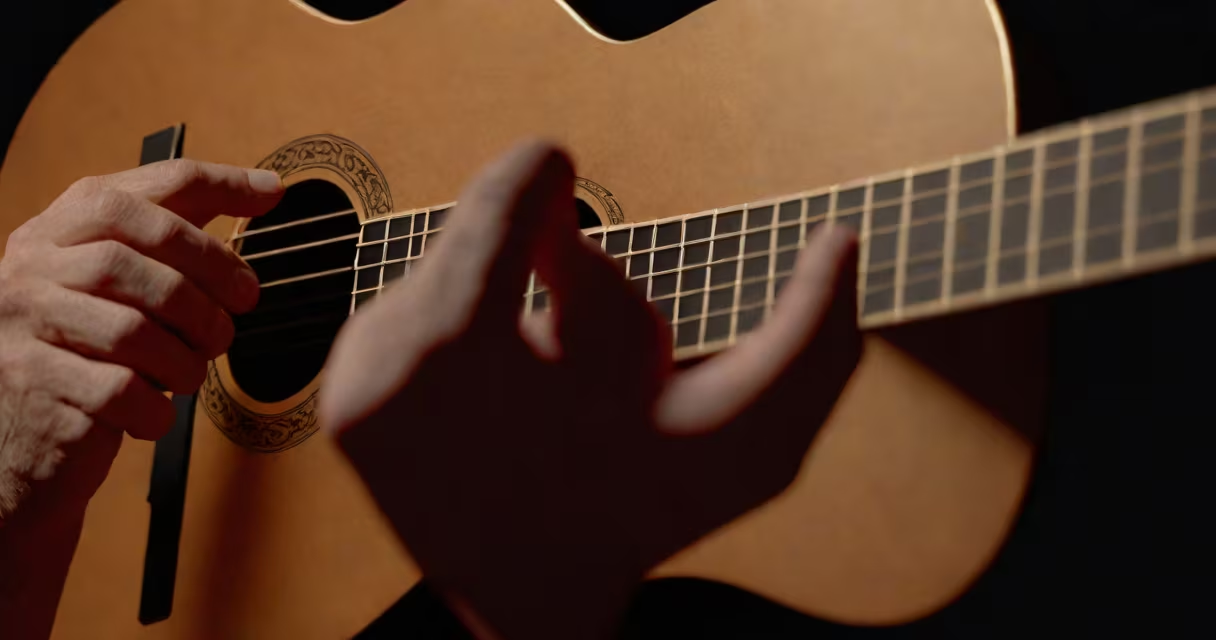
Tocar la guitarra in English translates to "play guitar" in Spanish, but the phrase highlights differences in language and technique between English and Spanish-speaking guitarists.
The Spanish phrase "tocar la guitarra" literally means "to touch the guitar," which differs from the English "play guitar." This distinction reflects cultural nuances in how music is approached. Spanish speakers often emphasize the physical connection with the instrument, while English speakers focus on performance.
Spanish guitar terminology includes unique terms not found in English. For example:
These terms show how Spanish speakers describe techniques differently. For instance, a cejilla is not just a capo-it's a tool to modify the guitar's sound in specific ways.
Many English speakers assume "tocar la guitarra" simply means "play guitar," but the phrase carries deeper meaning. Spanish-speaking guitarists often discuss the emotional and physical relationship with the instrument, while English speakers focus on technical proficiency.
For example, a Spanish guitarist might say "toco la guitarra con el corazón," meaning "I play guitar with my heart." This sentiment is less common in English, where guitarists might say "I play guitar well" or "I'm good at guitar."
When I learned to play flamenco guitar, I struggled with the term rasgueo, which means a strumming technique. English speakers often call it "strumming," but rasgueo implies a specific rhythmic pattern. Understanding this distinction helped me refine my technique and connect with the music more deeply.
Tocar la guitarra in English reveals more than just translation-it shows how language shapes musical expression. Spanish-speaking guitarists emphasize the emotional and physical connection with the instrument, while English speakers focus on technical skill. Understanding these differences can enrich your playing and appreciation of guitar music.