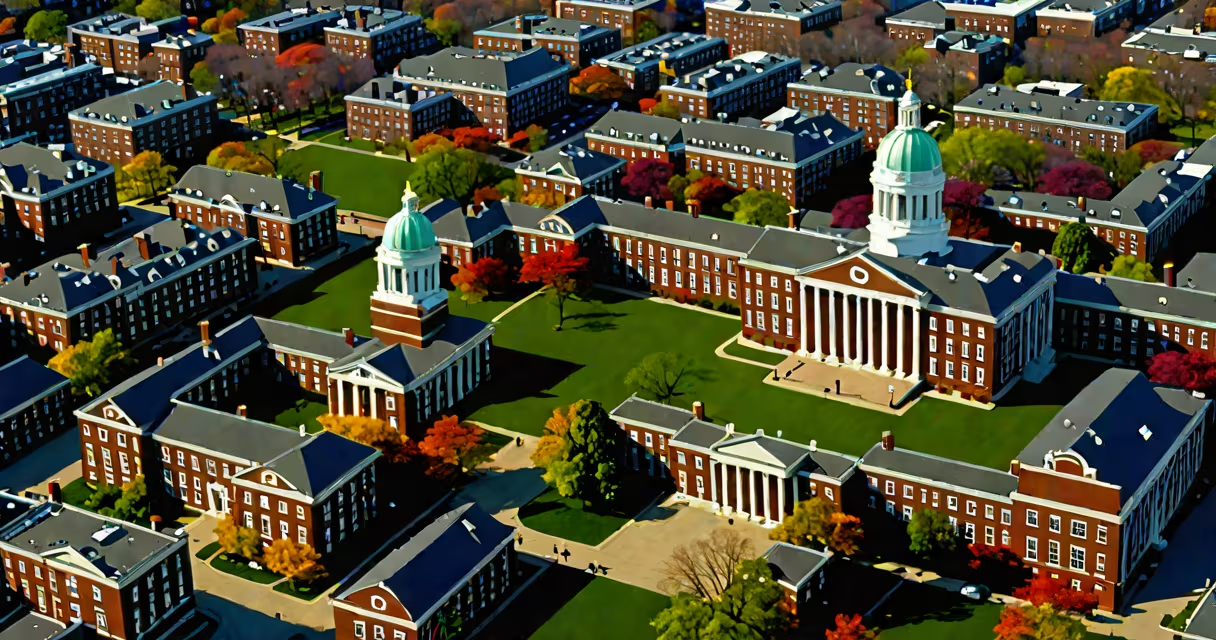
Top-ranking MBA colleges in the world are business schools consistently placed at the highest levels of global rankings. These institutions demonstrate excellence in teaching, research, and graduate outcomes.
Organizations like QS, The Financial Times, and U.S. News & World Report evaluate schools based on metrics such as employer reputation, faculty quality, and alumni outcomes. For example, Harvard Business School frequently tops lists due to its influential alumni network and rigorous curriculum.
Global MBA rankings typically fall into three categories:
Some rankings, like Bloomberg Businessweek's, focus specifically on U.S. schools, while others, such as QS, have a broader international scope.
People often confuse global rankings with regional ones. A school might rank highly in Europe but not appear in the top 20 globally. For instance, INSEAD in France frequently ranks in the top three worldwide but competes with other European schools for regional supremacy.
Take Stanford Graduate School of Business. Its 2023 acceptance rate was 6%, with tuition at $74,796 per year. Graduates earn a median base salary of $175,000, contributing to Stanford's consistent top-five global ranking.
When researching my own MBA applications, I noticed that schools like MIT Sloan and Wharton appeared consistently across different rankings. However, their strengths varied: Sloan excelled in tech entrepreneurship, while Wharton led in finance.
| Ranking Source | Top 3 Schools (2023) | Key Metric Weight |
|---|---|---|
| QS | 1. Harvard; 2. INSEAD; 3. Wharton | Employer reputation (30%) |
| The Financial Times | 1. INSEAD; 2. Wharton; 3. HEC Paris | Salary increase (20%) |
| U.S. News | 1. Wharton; 2. Booth; 3. Harvard | Peer assessment (25%) |
For a deeper look at specific programs, see our guide to the top 15 MBA degrees worldwide.