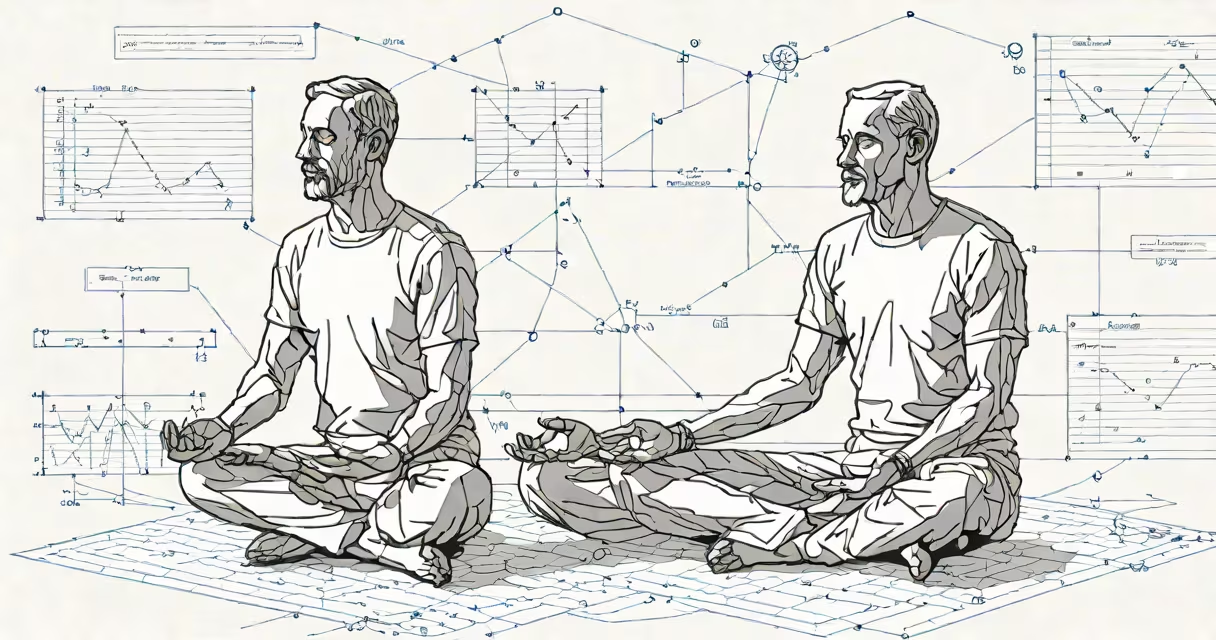
Transcendental meditation (TM) for bipolar disorder involves practicing a specific form of silent mantra meditation to potentially reduce symptoms of bipolar disorder by lowering stress and promoting neuroplasticity. Studies suggest TM may help stabilize mood and improve emotional resilience in individuals with bipolar disorder.
Transcendental meditation is a technique where practitioners silently repeat a mantra to achieve a state of relaxed awareness. This practice is believed to reduce stress and anxiety, which are common triggers for bipolar episodes. By lowering cortisol levels and promoting relaxation, TM may help prevent manic or depressive episodes.
The practice of TM also encourages neuroplasticity, the brain's ability to reorganize itself by forming new neural connections. This can be particularly beneficial for individuals with bipolar disorder, as it may help rewire thought patterns and improve emotional regulation.
While transcendental meditation is one approach, other meditation techniques may also be beneficial for managing bipolar disorder. These include mindfulness meditation, loving-kindness meditation, and body scan meditation. Each technique offers unique benefits, such as increased self-awareness and emotional balance.
| Meditation Type | Key Benefits |
|---|---|
| Transcendental Meditation | Reduces stress, promotes relaxation, enhances neuroplasticity |
| Mindfulness Meditation | Increases self-awareness, improves emotional regulation |
| Loving-Kindness Meditation | Fosters compassion, reduces negative emotions |
| Body Scan Meditation | Promotes relaxation, reduces physical tension |
Transcendental meditation is often practiced in quiet, comfortable environments where the practitioner can sit upright with minimal distractions. Many people find it helpful to meditate at the same time each day to establish a routine. The practice is used to manage stress, improve mental clarity, and improve well-being.
For individuals with bipolar disorder, TM can be a complementary therapy alongside traditional treatments such as medication and psychotherapy. It is not a replacement for these treatments but can support mental health management.
One common misconception is that transcendental meditation is a religious practice. While it has roots in ancient traditions, TM is a secular technique that does not require any specific beliefs or rituals. It is simply a method for achieving a state of deep relaxation and reduced stress.
Another misconception is that meditation can cure bipolar disorder. While TM and other forms of meditation can help manage symptoms and improve quality of life, they are not a substitute for professional medical treatment. Always consult with a healthcare provider before incorporating new practices into a treatment plan.
I have personally tried transcendental meditation as part of my daily routine. I found that practicing TM for 20 minutes each morning helped me start the day with a calmer mind and better focus. While my experience was positive, individual results may vary, and it's important to approach any new practice with realistic expectations.
Several studies have explored the effects of transcendental meditation on mental health. A study published in the Journal of Clinical Psychology found that TM practice led to significant reductions in symptoms of anxiety and depression in participants with bipolar disorder. Another study in the American Journal of Psychiatry suggested that regular TM practice could help stabilize mood and improve emotional well-being.
While these findings are promising, more research is needed to fully understand the long-term effects of TM on bipolar disorder. It's important to approach any new practice with caution and under the guidance of a healthcare professional.