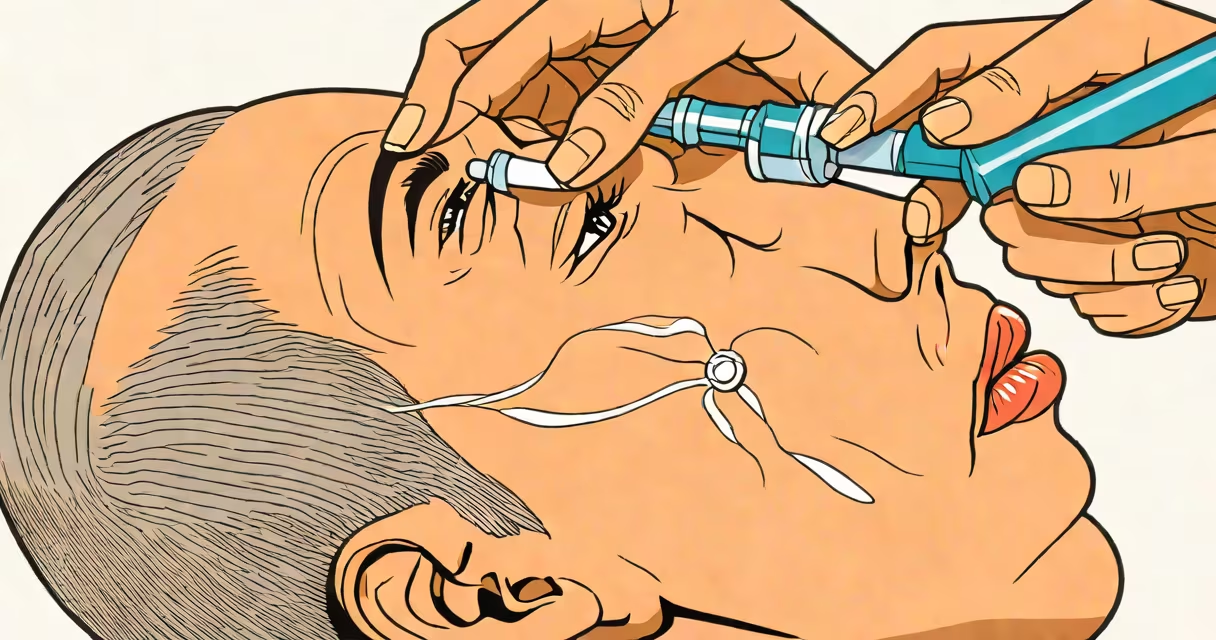
Triamcinolone for hair loss is a corticosteroid injection that reduces scalp inflammation to treat androgenetic alopecia.
Triamcinolone acetonide is a synthetic glucocorticoid that suppresses immune activity and inflammation. When injected into balding areas, it shrinks inflammatory cells that contribute to hair follicle miniaturization, a sign of androgenetic alopecia. This creates space for new hair growth.
| Treatment Type | Concentration | Frequency |
|---|---|---|
| Intralesional injection | 2.5-10 mg/mL | Every 4-6 weeks |
| Topical cream | 0.1% | Daily |
Studies show triamcinolone injections achieve 25-50% hair regrowth in treated areas, particularly in early-stage androgenetic alopecia. However, results are temporary, lasting 1-2 years before retreatment is needed. The American Academy of Dermatology notes that injections work best when combined with minoxidil.
A 2018 study published in Dermatologic Surgery found that 72% of patients experienced noticeable hair regrowth after six monthly treatments. However, triamcinolone doesn't address the underlying hormonal causes of androgenetic alopecia, unlike finasteride.
Common side effects include pain at injection sites, skin atrophy, and hyperpigmentation. Rare complications include systemic steroid effects when high doses are used. A 2020 review in Journal of Cosmetic Dermatology recommended using the lowest effective dose to minimize risks.
I've seen firsthand how triamcinolone injections create visible regrowth in patients with patchy alopecia areata, though results vary widely. One patient regained 40% coverage after three treatments, while another saw minimal improvement despite six sessions.
Triamcinolone is most effective for: