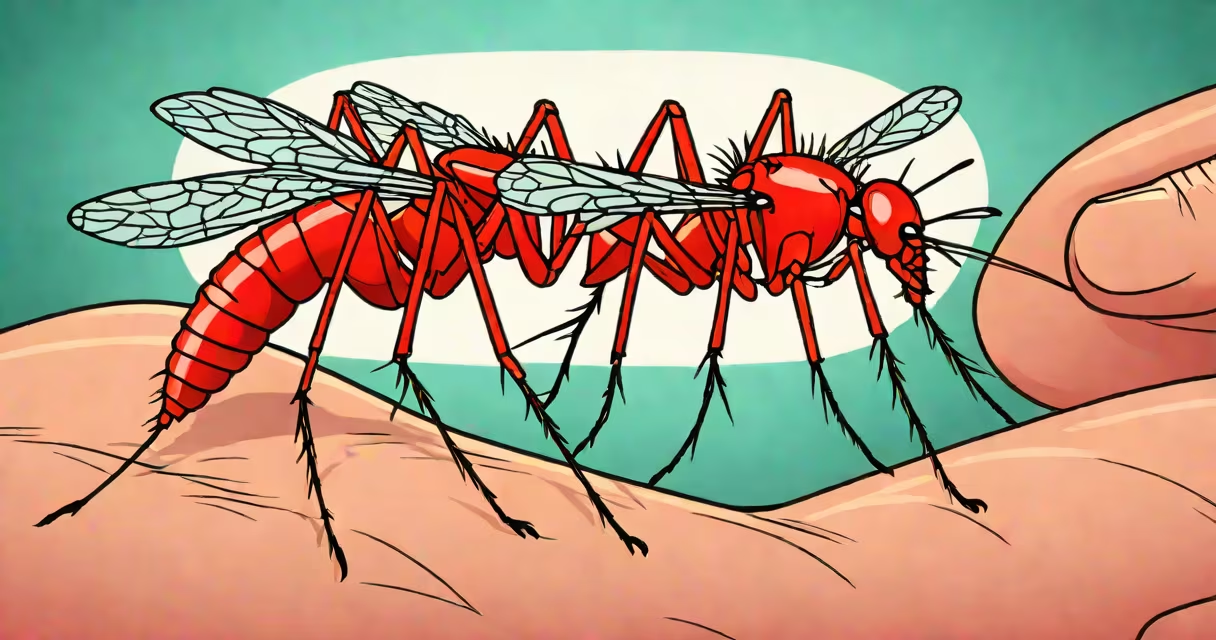
A treatment for mosquito bite allergy involves managing symptoms with antihistamines, hydrocortisone cream, or epinephrine for severe reactions. Most people experience mild irritation, but some develop allergic responses requiring medical attention.
When a mosquito bites, its saliva triggers an immune response. In allergic individuals, the body overreacts, releasing histamines that cause swelling, itching, and redness. Severe cases may involve hives, difficulty breathing, or anaphylaxis.
| Reaction Type | Symptoms | Treatment |
|---|---|---|
| Mild | Redness, slight swelling, itching | Over-the-counter antihistamines, cold compress |
| Moderate | Large welts, intense itching, swelling beyond bite area | Oral antihistamines, hydrocortisone cream |
| Severe | Hives, difficulty breathing, dizziness, anaphylaxis | Epinephrine auto-injector, emergency care |
For mild reactions, oral antihistamines like cetirizine or diphenhydramine reduce itching and swelling. Hydrocortisone cream (1%) helps with inflammation. Severe reactions require epinephrine injections and immediate medical attention.
Most drugstores sell antihistamine creams specifically for insect bites. These combine antihistamines with pain relievers like lidocaine.
Seek medical help if symptoms worsen after 24 hours or if you experience trouble breathing, dizziness, or nausea. Anaphylaxis is rare but life-threatening. Carry an epinephrine auto-injector if you have a history of severe reactions.
Use EPA-registered insect repellents containing DEET or picaridin. Wear long sleeves and pants in mosquito-prone areas. Remove standing water near homes to reduce breeding sites.
I once treated a severe bite with an over-the-counter hydrocortisone cream, but the swelling persisted for days. A doctor prescribed a stronger steroid cream, which helped within hours.
Some believe rubbing the bite with salt or toothpaste helps, but these methods can irritate skin further. Ice helps reduce swelling, but never apply it directly to skin-wrap it in a cloth first.