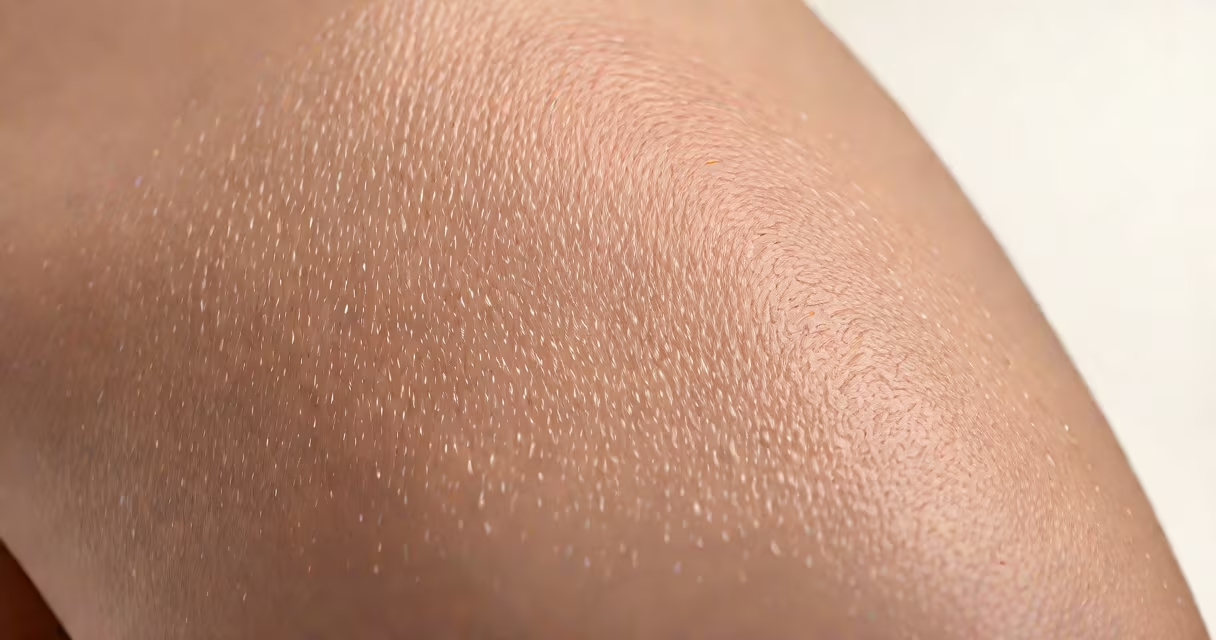
Underarm ingrown hair removal involves extracting trapped hairs and treating inflammation to prevent infection. These hairs form when cut hair curls back and grows into the skin.
Ingrown hairs occur when sharp hair tips penetrate surrounding skin as they grow. Shaving increases risk by creating sharp edges. Underarms have higher risk due to dense hair and frequent friction.
Underarm ingrown hairs fall into three categories:
For superficial ingrown hairs, apply warm compresses for 10 minutes to soften skin. Use sterile tweezers to gently extract the looped hair tip. Never squeeze or pop deep ingrown hairs.
Exfoliate underarms 1-2 times weekly using a gentle scrub or chemical exfoliant. Always use clean razors and shave in the direction of hair growth. Apply alcohol-free moisturizer afterward to reduce irritation.
I saw significant improvement when I switched to single-blade razors and began exfoliating with a sugar scrub containing tea tree oil. The reduction in ingrown hairs was noticeable within two weeks.
Consult a dermatologist if you develop severe pain, swelling, or signs of infection like pus or fever. Persistent ingrown hairs may require professional extraction or prescription treatments.
According to the American Academy of Dermatology, chronic ingrown hairs may indicate pseudofolliculitis barbae, requiring medical treatment. The condition affects about 40-60% of African-American men who shave.