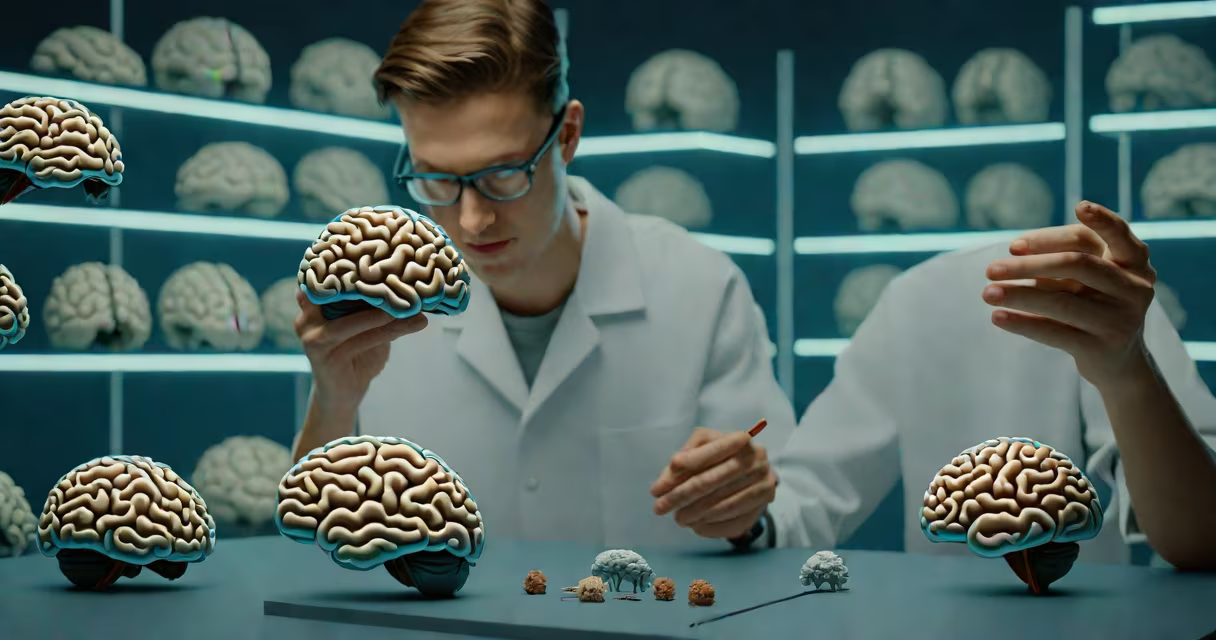
An undergraduate degree in neuroscience is a bachelor's program that studies the nervous system, combining biology, psychology, and chemistry. Graduates work in research, healthcare, or education.
Most programs require four years of full-time study, including labs and research projects. Core courses cover neuroanatomy, cellular neuroscience, and cognitive psychology. Electives may include pharmacology or computational modeling.
Many universities offer a Bachelor of Science (BS) in neuroscience, while some provide a Bachelor of Arts (BA) with a focus on behavioral neuroscience. A BS typically includes more lab work, while a BA emphasizes theory and humanities.
| Degree Type | Focus Area | Common Career Paths |
|---|---|---|
| Bachelor of Science (BS) | Lab-based research, molecular neuroscience | Research assistant, medical school |
| Bachelor of Arts (BA) | Behavioral neuroscience, psychology | Clinical psychologist, social worker |
Some schools offer specialized tracks, such as computational neuroscience or clinical neuroscience. These programs often include internships or co-op placements.
Neuroscience graduates work in hospitals, research labs, pharmaceutical companies, and universities. Many pursue advanced degrees, such as a PhD or MD, to specialize further.
The U.S. Bureau of Labor Statistics projects a 7% growth in life sciences jobs by 2031, including roles for neuroscience graduates. The median salary for biological scientists was $86,500 in 2022.
Another misconception is that a neuroscience degree only leads to research careers. In reality, graduates work in fields like education, public policy, and even tech, developing brain-computer interfaces.
At the University of California, Berkeley, the neuroscience major requires courses in cellular and systems neuroscience, along with a senior thesis project. Students like Maria Chen have used this program to transition into medical school, while others, like James Lee, pursued PhDs in cognitive science.
I visited a neuroscience lab at MIT where undergraduates assisted in fMRI studies. Their work involved analyzing brain scans to understand decision-making processes-a far cry from the "just biology" stereotype.