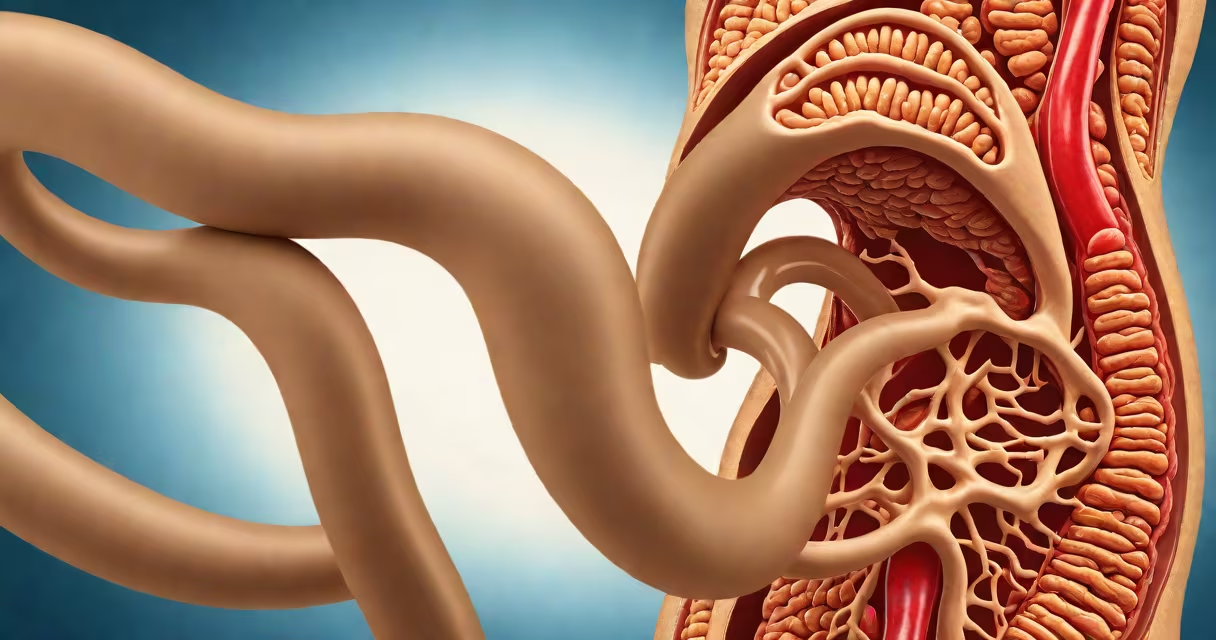
An upset stomach from acid reflux happens when stomach acid flows backward into the esophagus, irritating its lining and causing discomfort. This condition, also known as gastroesophageal reflux disease (GERD) when chronic, affects millions of people worldwide.
The lower esophageal sphincter (LES), a ring of muscle between the stomach and esophagus, usually prevents stomach acid from flowing upward. When this muscle weakens or relaxes abnormally, acid can escape, leading to irritation and inflammation. The resulting discomfort often manifests as heartburn, a burning sensation in the chest, or an upset stomach.
Acid reflux can be classified into two primary types:
| Type | Description |
|---|---|
| Occasional Acid Reflux | Mild, infrequent episodes triggered by diet or lifestyle factors. |
| GERD (Chronic Acid Reflux) | Frequent, severe episodes occurring at least twice weekly, requiring medical intervention. |
According to the American College of Gastroenterology, GERD affects about 20% of the U.S. population.
Several factors contribute to acid reflux and an upset stomach:
While an upset stomach is a common symptom, acid reflux can also cause:
A study published in Clinical Gastroenterology and Hepatology found that chronic acid reflux can lead to esophageal damage if untreated.
To alleviate an upset stomach from acid reflux, consider these strategies:
I once experienced persistent acid reflux after a late-night meal of spicy Thai food. By adjusting my diet and sleeping position, I found significant relief within days.
Consult a healthcare provider if symptoms persist for more than two weeks or if you experience difficulty swallowing, weight loss, or vomiting blood. These could indicate a more serious condition.