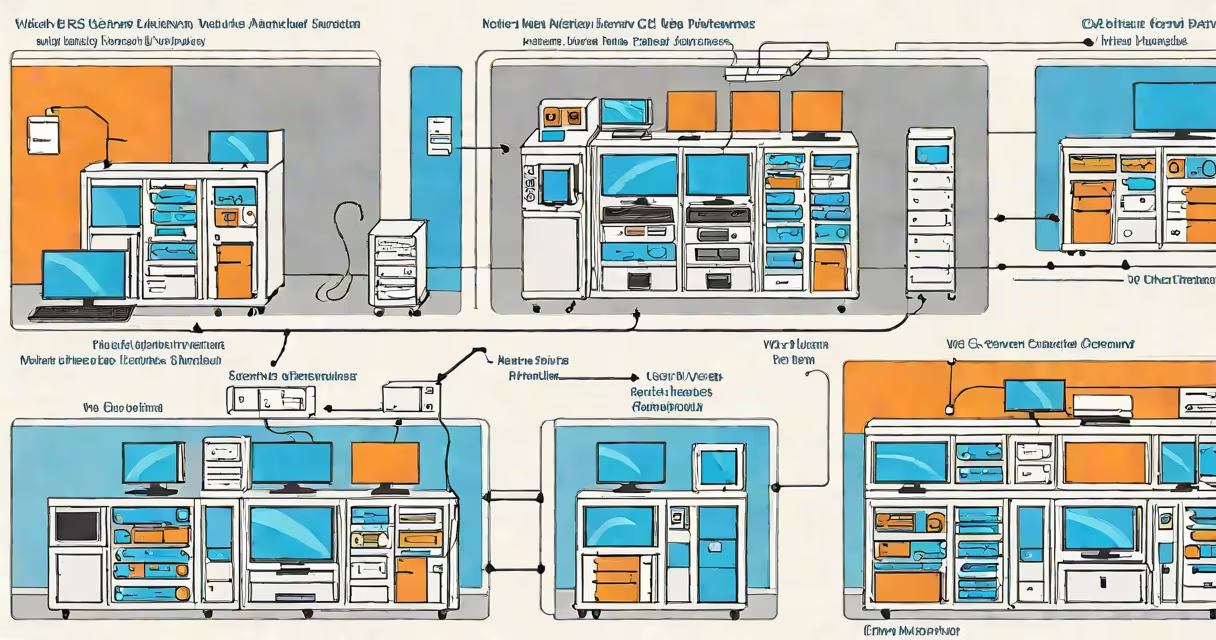
A vcls virtual machine is a specialized virtual machine optimized for cloud environments, offering enhanced performance and management features compared to traditional VMs. These machines run on VMware's vSphere platform and are particularly useful for cloud service providers.
VCLS virtual machines operate similarly to traditional VMs but with key differences in resource allocation and management. They use VMware's vSphere platform to create isolated environments that run their own operating systems and applications independently of the physical hardware.
The primary difference lies in how resources are allocated. While traditional VMs share resources from a single physical server, vcls virtual machines can dynamically allocate resources from multiple servers in a cloud environment. This allows for better scalability and performance.
There are two main types of vcls virtual machines:
Each type can be further customized based on specific needs, such as memory size, CPU cores, and storage capacity.
VCLS virtual machines are primarily used by cloud service providers and enterprises that require flexible, scalable computing solutions. They are particularly useful in scenarios where workloads vary over time, such as in development environments or for running batch processing jobs.
For example, a cloud service provider might use vcls virtual machines to offer virtual desktop infrastructure (VDI) services. These VMs can dynamically scale to meet user demand, ensuring optimal performance during peak usage times while reducing costs during off-peak periods.
One common misconception is that vcls virtual machines are the same as traditional VMs. While they share similarities, vcls VMs offer enhanced features such as changing resource allocation and better management tools, making them more suitable for cloud environments.
Another misconception is that vcls virtual machines are only for large enterprises. In reality, they can be beneficial for businesses of all sizes, especially those with fluctuating workloads or specific performance requirements.
I once worked with a startup that needed to scale its application quickly during a marketing campaign. By using vcls virtual machines, they were able to dynamically allocate additional resources during peak times and scale back down afterward. This flexibility reduced costs compared to using traditional VMs.