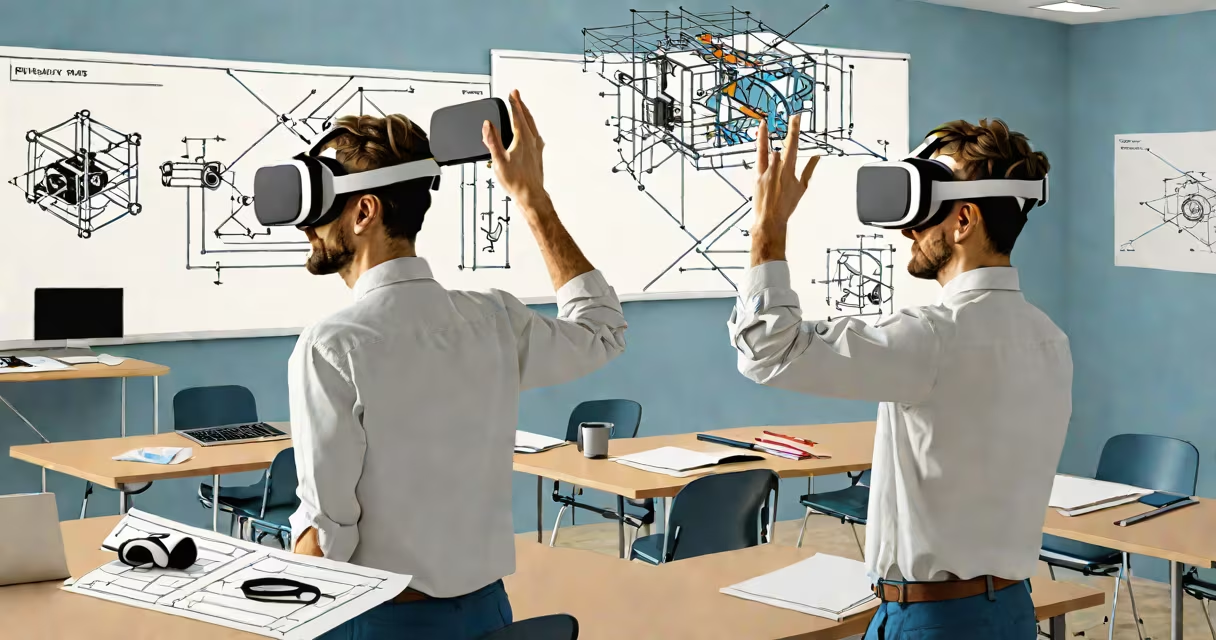
Virtual reality learning uses VR technology to create immersive educational experiences. Students interact with 3D environments, simulations, and scenarios through VR headsets, making learning more engaging and effective.
VR learning replaces traditional classrooms with computer-generated environments. Students wear VR headsets that track their movements and adjust the virtual world in real time. For example, a medical student might practice surgeries in a virtual operating room, receiving instant feedback on their technique.
Virtual reality learning falls into three primary categories:
Schools, universities, and corporate training programs use VR learning to improve engagement and retention. A study by PwC found that VR learners were 275% more confident to apply what they learned compared to classroom learners. For instance, Walmart uses VR to train employees in customer service and emergency response.
Some believe VR learning is only for high-tech institutions, but affordable VR headsets like Meta Quest make it accessible. Others think it replaces teachers, but VR enhances instruction rather than replacing it. For example, a teacher might guide students through a virtual chemistry lab while monitoring progress in real time.
I've seen VR learning in action at a local high school where students explored ancient Rome in a virtual tour. The engagement was palpable-they asked questions and interacted with the environment far more than in a traditional lecture.