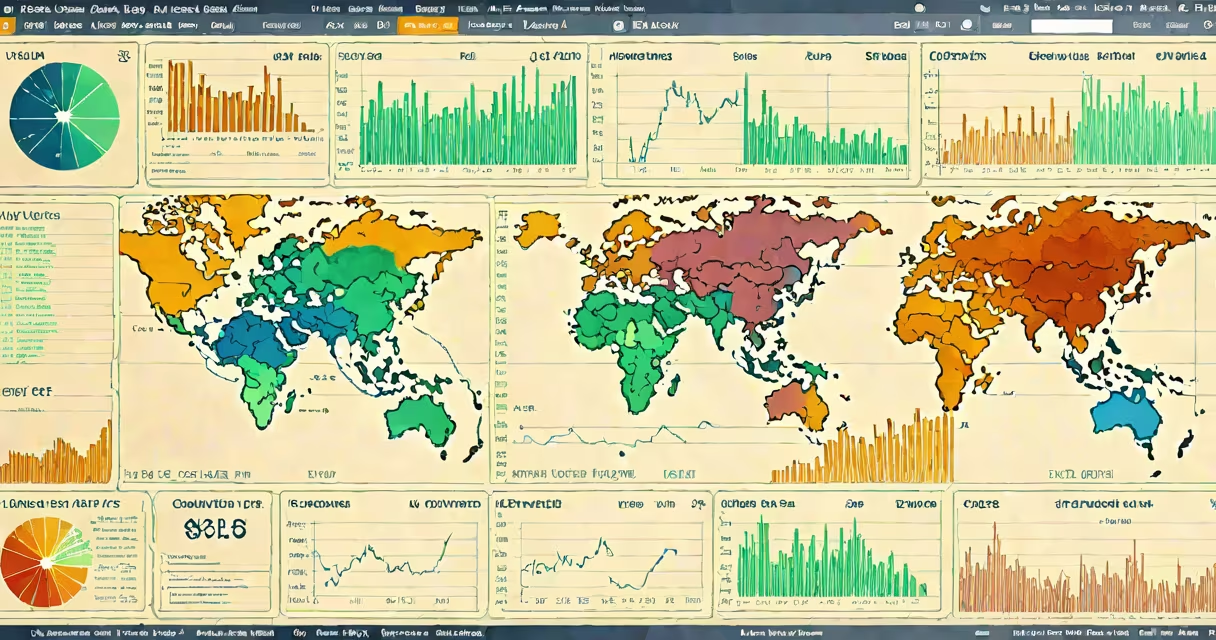
A virtual stock market is an online platform that simulates real stock markets, allowing users to trade stocks with fake money to practice investing strategies. These platforms replicate real-world market conditions, including price fluctuations and economic events, without financial risk.
Users start with a set amount of virtual cash, typically $10,000 to $1 million. They research stocks, place trades, and monitor their portfolios just like in a real stock market. The platform updates stock prices in real time or at set intervals, reflecting actual market movements.
For example, a popular virtual stock market platform might update prices every 15 minutes during market hours, mirroring the performance of real stocks like Apple or Tesla. Users can buy or sell shares based on their research and market trends.
Most platforms offer these core features:
These platforms serve several purposes:
1. Education: Beginners learn how stock markets operate without risking real money. For instance, a user might experiment with buying undervalued stocks or short selling overvalued ones to understand different strategies.
2. Strategy Testing: Experienced traders test new strategies in a risk-free environment. A trader might try a new technical analysis method to see how it performs before applying it to real investments.
3. Engagement: Schools and universities use virtual stock markets to teach finance. Programs like the Stock Market Game offered by the SIFMA Foundation provide educational resources and competitions for students.
Some users assume virtual stock markets are just games with no real educational value. However, reputable platforms use real market data and offer tools that professionals use. For example, platforms like Investopedia Simulator and Wall Street Survivor provide accurate data and research tools similar to those used by real traders.
Another misconception is that virtual trading doesn't require research. Successful virtual investing still demands understanding company fundamentals, market trends, and economic indicators-just like real investing.
To begin using a virtual stock market, choose a platform, sign up, and start with the virtual cash provided. Most platforms offer tutorials or guides to help new users go through the interface and place their first trades.
For instance, if you join a platform like HowTheMarketWorks, you'll receive $10,000 in virtual cash. You can start by researching stocks, placing your first trade, and monitoring your portfolio's performance. Over time, you'll gain confidence and develop strategies for real investing.
While virtual stock markets are valuable tools, they don't replace the experience of trading with real money. However, they provide a safe space to learn and practice before entering live markets. For more on how real markets operate, read our guide on what a stock market is.