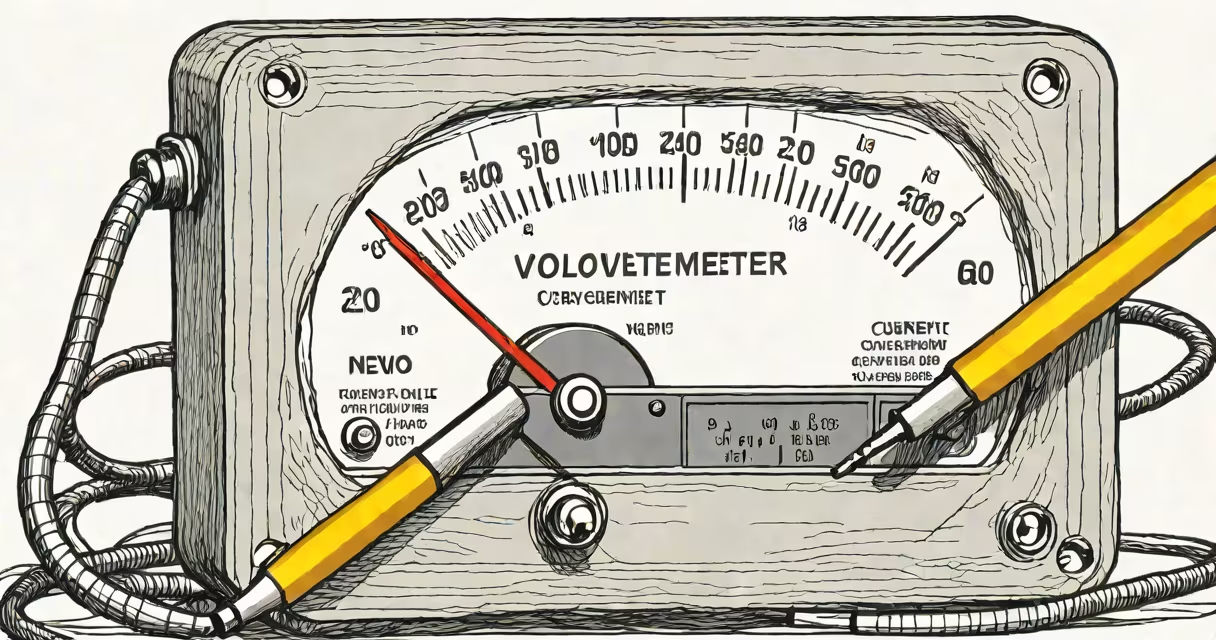
A voltmeter cannot measure current directly-it measures voltage. To measure current, you need an ammeter or a multimeter set to measure current. Multimeters can measure both voltage and current by switching modes.
To measure current with a multimeter, you must connect it in series with the circuit. This interrupts the circuit, allowing the meter to measure the flow of electrons passing through it. The multimeter's internal resistance is extremely low to minimize voltage drop.
| Type | Function | Use Case |
|---|---|---|
| Ammeter | Measures current only | Dedicated current measurements |
| Multimeter (set to current mode) | Measures current, voltage, and resistance | General-purpose electrical testing |
Many people mistakenly try to measure current by connecting a voltmeter in series, which can damage the meter or provide inaccurate readings. A voltmeter aims to measure voltage across components, not current flowing through them.
For example, if you try to measure the current in a 12V car battery circuit with a voltmeter, you risk damaging the meter because it's not designed to handle the current flow. Instead, use a multimeter set to measure current (usually marked with an "A" symbol) and connect it in series.
Always ensure the multimeter is set to the correct range before connecting it to the circuit. For higher currents, use a clamp meter, which can measure current without breaking the circuit. Never exceed the meter's maximum current rating.
I once tested a 20A circuit with a multimeter rated for 10A. The fuse inside the meter blew, rendering it useless. Always verify the meter's specifications before use.
Use a voltmeter to measure voltage across components like resistors, capacitors, or batteries. Use an ammeter or multimeter in current mode to measure the flow of electricity through wires or devices. For example, to check if a 5V USB port is supplying the correct voltage, use a voltmeter. To measure the current drawn by a connected device, use a multimeter in current mode.