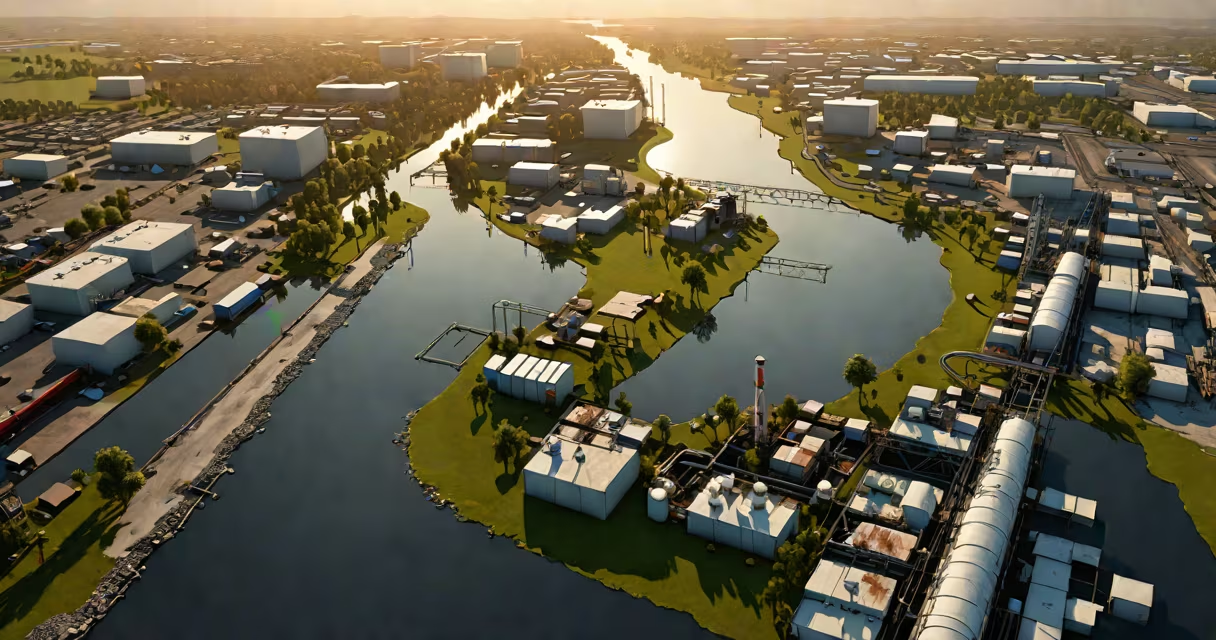
Water global issues refer to widespread challenges related to water availability, quality, and management that affect ecosystems, economies, and human health worldwide. These problems stem from natural processes and human activities, requiring coordinated international efforts to address them.
The primary water-related challenges include:
Water scarcity disproportionately affects arid regions like the Middle East and parts of Africa, while pollution is rampant near industrial centers and densely populated areas. For instance, the Ganges River in India suffers from extreme pollution due to untreated sewage and industrial discharge, posing severe health risks to millions.
These issues arise from unsustainable practices, such as over-extraction of groundwater, deforestation, and reliance on harmful pesticides. Climate change further compounds these problems by altering water availability and increasing contamination risks.
Many assume that water global issues primarily affect developing nations, but wealthy countries also face severe challenges. For example, California experiences chronic water shortages due to droughts and overuse, while Flint, Michigan, faced a lead contamination crisis due to aging infrastructure.
According to the United Nations, water scarcity could displace 700 million people by 2030 if current trends continue. This highlights the urgent need for global cooperation and sustainable water management practices.
The Aral Sea, once the fourth-largest lake in the world, has shrunk by 90% since the 1960s due to Soviet-era irrigation projects. Diversion of the Amu Darya and Syr Darya rivers for cotton farming led to catastrophic ecological and economic consequences, including soil salinization, loss of biodiversity, and health problems for local populations.
This case demonstrates how poor water management can have irreversible impacts on both the environment and human well-being. Restoration efforts, though ongoing, remain challenging due to the scale of the damage.
Addressing water global issues requires a multi-faceted approach:
For instance, Singapore has implemented advanced water recycling technologies, such as NEWater, to combat water scarcity. Similarly, the European Union's Water Structure Directive aims to protect and restore water bodies across member states.
Water global issues are complex and far-reaching, affecting billions of people and ecosystems worldwide. Understanding their causes and implementing sustainable solutions is important for ensuring access to clean water for future generations. By addressing these challenges collectively, we can mitigate their impacts and secure a healthier planet.