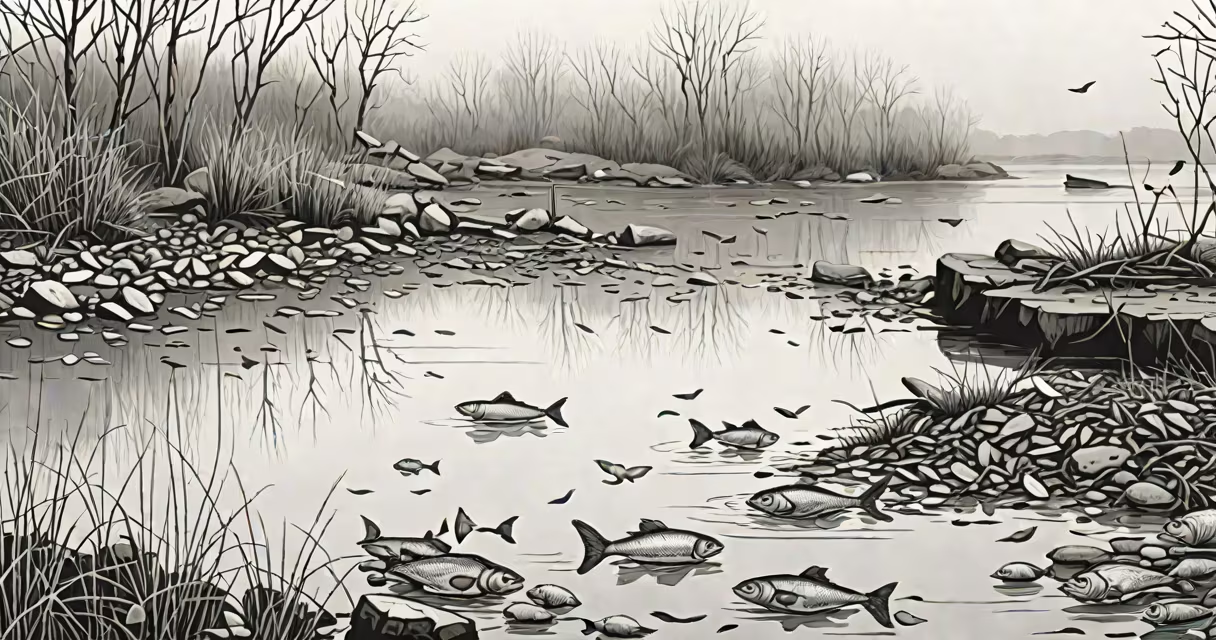
Water pollution and animals describes how toxic substances in water harm wildlife through direct poisoning, habitat destruction, and food chain contamination. Pollutants like heavy metals, pesticides, and plastics enter waterways from industrial waste, agricultural runoff, and improper disposal.
Animals suffer from water pollution primarily through ingestion, inhalation, and skin contact. Aquatic species absorb toxins directly from water, while land animals drink contaminated water or eat affected prey. Even low pollutant levels can cause long-term health issues like reproductive failure, immune system suppression, and cancer.
The most common sources of water pollution affecting animals include:
Many assume only aquatic animals suffer from water pollution, but land animals face equal risks. For instance, birds drinking from contaminated ponds can accumulate toxins in their systems, leading to neurological damage. A 2020 report by the World Wildlife Fund found that 45% of freshwater species are at risk due to chemical pollution.
Another misconception is that pollution only affects large bodies of water. Small streams and wetlands, critical for amphibians and insects, often suffer the worst contamination because they lack dilution capacity.
For example, a study on bald eagles in the Great Lakes region found that those eating fish contaminated with PCBs had thinner eggshells and lower hatch rates. This demonstrates how water pollution disrupts entire food webs.
Reducing water pollution requires stricter regulations on industrial discharge, better waste management, and public awareness about proper disposal. Community efforts like river cleanups and habitat restoration projects help mitigate existing damage.
On a personal level, using fewer chemicals in gardens, properly disposing of medications, and supporting conservation organizations make a difference. Governments must enforce policies limiting agricultural runoff and holding polluters accountable.
By addressing water pollution, we protect not just drinking water supplies but entire ecosystems that support diverse animal life.