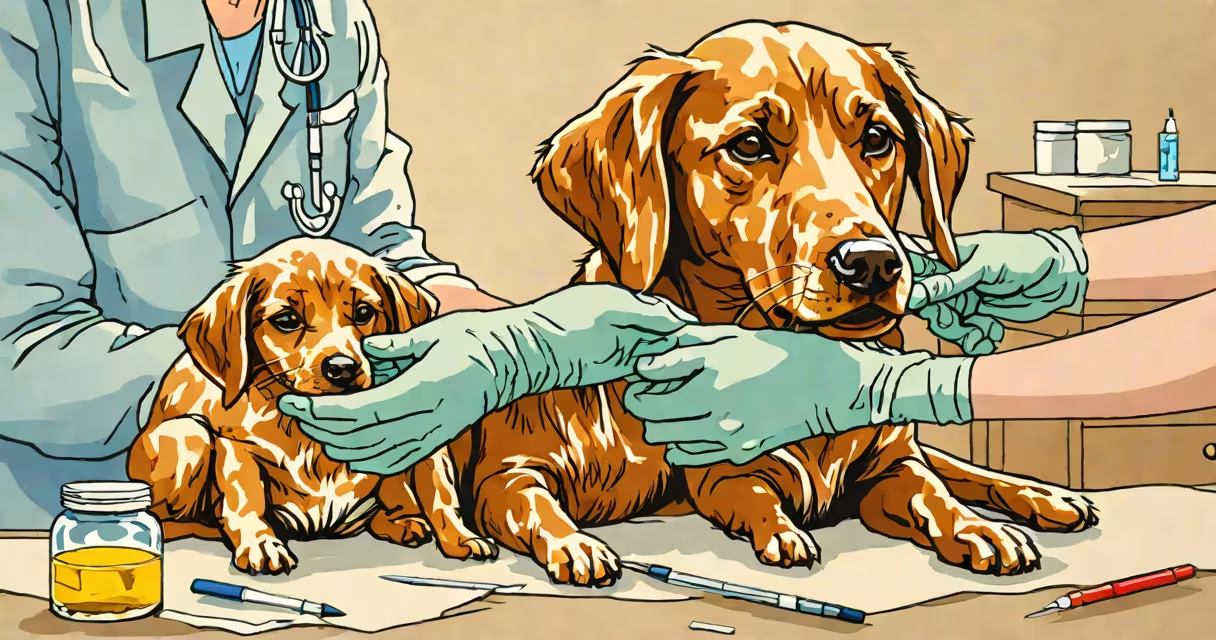
The rabies vaccine for dogs is typically administered between 12 and 16 weeks of age, with booster shots following a specific schedule. This vaccine is legally required in all U.S. states.
The rabies vaccine stimulates the immune system to produce antibodies against the rabies virus. If a vaccinated dog is exposed to the virus, these antibodies help prevent infection. The vaccine is effective when administered correctly.
There are two main types of rabies vaccines for dogs:
Most states require the first rabies vaccination between 12 and 16 weeks of age, followed by a booster one year later. Subsequent boosters are usually required every one to three years, depending on local laws and the specific vaccine used.
For example, California law requires the first rabies vaccination at 12 weeks, with a booster one year later and every three years thereafter. New York requires the first vaccination at 12 weeks, with boosters every year for the first three years, then every three years.
Some pet owners believe that indoor dogs don't need the rabies vaccine. However, rabies is a zoonotic disease, meaning it can spread. Even indoor dogs can be exposed through bites from wild animals or other infected pets.
Another misconception is that natural immunity from exposure is sufficient. While some animals may develop immunity after surviving rabies, this is rare and dangerous. Vaccination provides a controlled and reliable method of protection.
| Age | Vaccine | Notes |
|---|---|---|
| 6-8 weeks | Distemper, parvovirus, adenovirus | First round of core vaccines |
| 9-11 weeks | Distemper, parvovirus, adenovirus | Second round of core vaccines |
| 12-16 weeks | Rabies | First rabies vaccination |
| 12-16 months | Rabies | First booster shot |
Rabies is nearly always fatal once symptoms appear. Vaccination is the most effective way to protect both pets and humans from this deadly disease. According to the CDC, rabies kills about 59,000 people worldwide each year, mostly in regions where access to vaccination is limited.
Vaccination also helps control the spread of rabies in wildlife populations. For example, oral rabies vaccines have been used successfully in raccoons, foxes, and skunks in the United States.
When I adopted my rescue puppy, I followed the recommended vaccination schedule closely. The first rabies shot was administered at 14 weeks, and the booster was given exactly one year later. Keeping track of these dates ensured my dog remained protected and compliant with local laws.