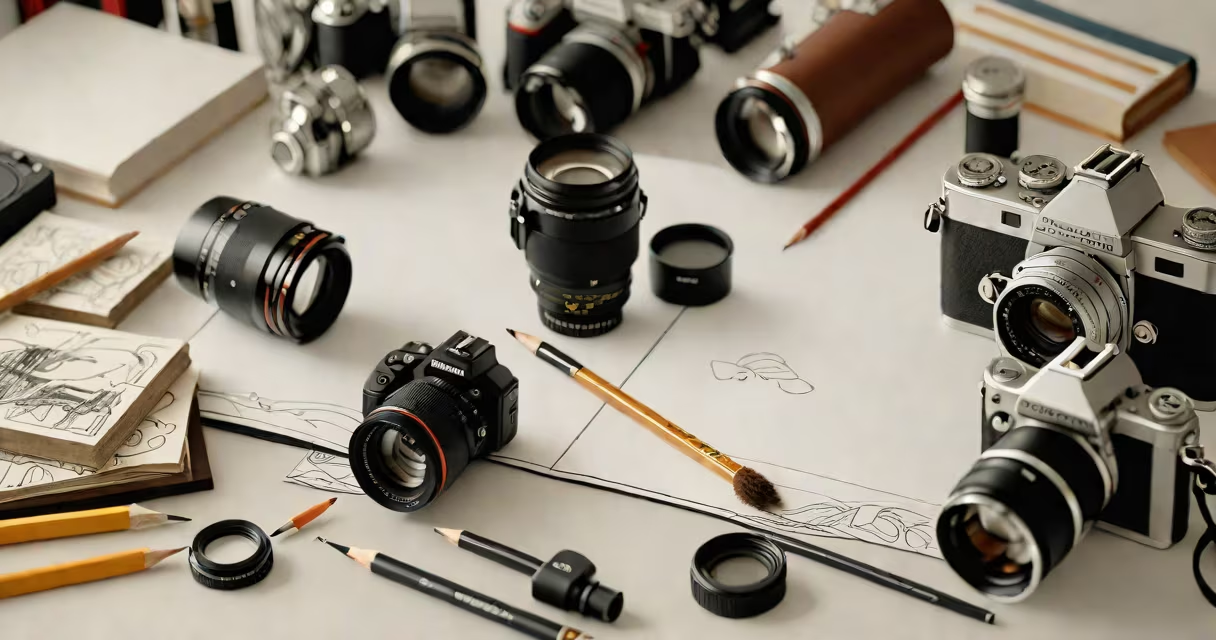
Good colleges for photography offer specialized programs, industry connections, and modern facilities. These schools provide degrees in photography, fine arts, or visual communications, often with concentrations in commercial, documentary, or fine art photography.
Photography programs typically include coursework in camera techniques, digital imaging, lighting, and photo editing software. Students often complete internships or portfolio projects to gain real-world experience. Some schools offer Bachelor of Fine Arts (BFA) or Bachelor of Arts (BA) degrees, while others provide associate degrees or certificates.
The best photography schools offer various specializations. Here are the most common types:
| Program Type | Focus Area | Degree Offered |
|---|---|---|
| Commercial Photography | Advertising, product, fashion | BFA, BA |
| Documentary Photography | Storytelling, journalism | BFA, BA |
| Fine Art Photography | Conceptual, experimental | BFA, MFA |
| Digital Photography | Digital imaging, software | Associate, BFA |
Top photography schools are often located in cities with thriving arts scenes, such as New York, Los Angeles, or Chicago. These locations provide access to galleries, museums, and industry professionals. Studying photography helps students develop technical skills, build portfolios, and network with peers and mentors.
For example, the School of Visual Arts in New York offers a BFA in Photography and Video. Students work with professional equipment and exhibit their work in gallery spaces. The program emphasizes both technical and conceptual skills, preparing graduates for careers in various fields.
Many people assume that photography programs are only for those who want to become professional photographers. However, these programs also prepare students for careers in advertising, marketing, journalism, and education., not all photography programs require expensive equipment; many schools provide access to cameras and editing software.
According to the Bureau of Labor Statistics, employment of photographers is projected to grow 4 percent, about as fast as the average for all occupations. This growth is driven by the demand for commercial and portrait photographers.
When researching colleges with strong psychology programs, I noticed that many also offer photography courses as electives. This interdisciplinary approach can be beneficial for students interested in both fields, such as those studying visual perception or media psychology.
Choosing a good college for photography involves considering the program's focus, location, and resources. Whether you aim to work in commercial, documentary, or fine art photography, the right school can provide the skills and connections needed for a successful career.