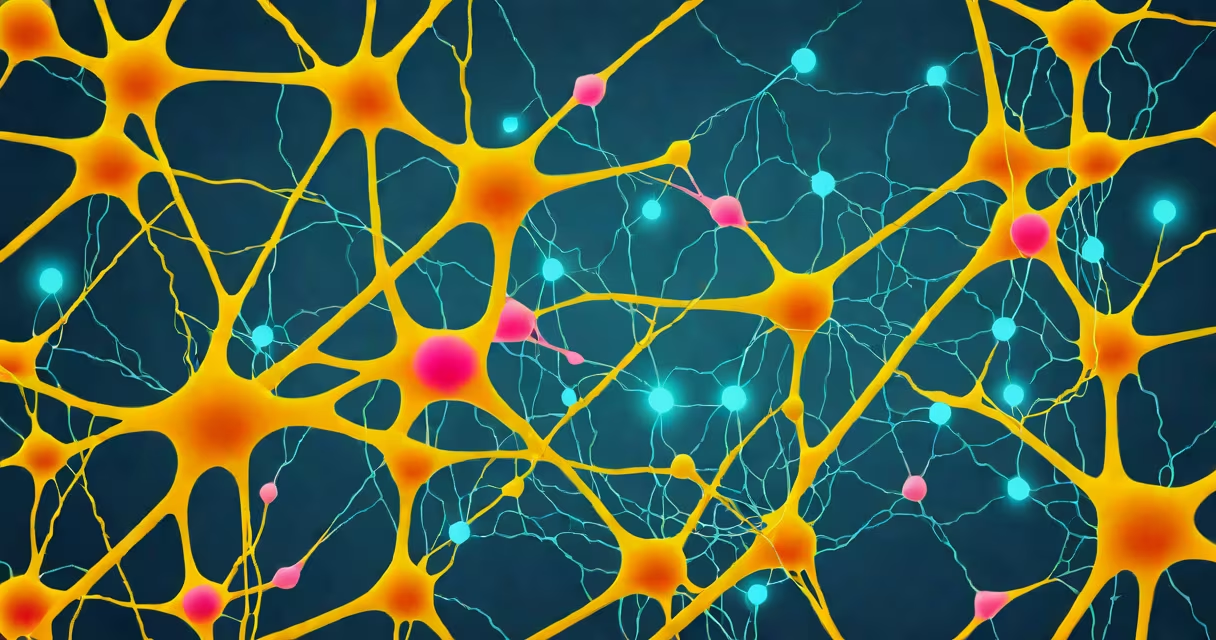
Motor nerves are specialized nerve cells that carry signals from the brain and spinal cord to muscles, triggering movement. These nerves are part of the peripheral nervous system and play a important role in voluntary and involuntary muscle actions.
Motor nerves function by transmitting electrical impulses from the central nervous system to muscles. This process begins when a motor neuron in the spinal cord receives a signal from the brain. The neuron then sends the impulse through its axon, which connects to muscle fibers via a synapse. At the synapse, neurotransmitters are released, causing the muscle to contract.
Motor nerves can be categorized based on the muscles they control:
| Type | Function | Example |
|---|---|---|
| Somatic Motor Neurons | Control voluntary movements | Arm movements, leg movements |
| Autonomic Motor Neurons | Control involuntary movements | Heartbeat, digestion |
Motor nerves are found throughout the body, connecting the central nervous system to muscles. They are essential for performing tasks ranging from simple reflexes to complex movements. For instance, when you lift your arm, motor nerves send signals from your brain to the muscles in your arm, causing them to contract and move.
Motor nerves are also involved in involuntary actions, such as the contraction of smooth muscles in the digestive system. These nerves ensure that essential bodily functions occur without conscious effort.
One common misconception is that motor nerves only control voluntary movements. In reality, they also play a critical role in involuntary actions, such as regulating heart rate and digestion. Another misunderstanding is that motor nerves are the only type of nerves involved in movement. Sensory nerves also contribute by sending feedback to the brain about muscle position and tension.
To calm your nerves, including motor nerves, techniques such as deep breathing and meditation can be effective. Calming your nerves involves reducing stress and promoting relaxation, which can improve nerve function.
Consider the action of typing on a keyboard. Motor nerves send signals from the brain to the fingers, causing the muscles to contract and move the fingers in precise motions. This coordinated effort involves multiple motor nerves working together to perform a seemingly simple task.
Understanding motor nerves and their function provides insight into how the body controls movement and maintains essential functions. By appreciating the complexity of these nerves, we can better understand the intricacies of the human body.