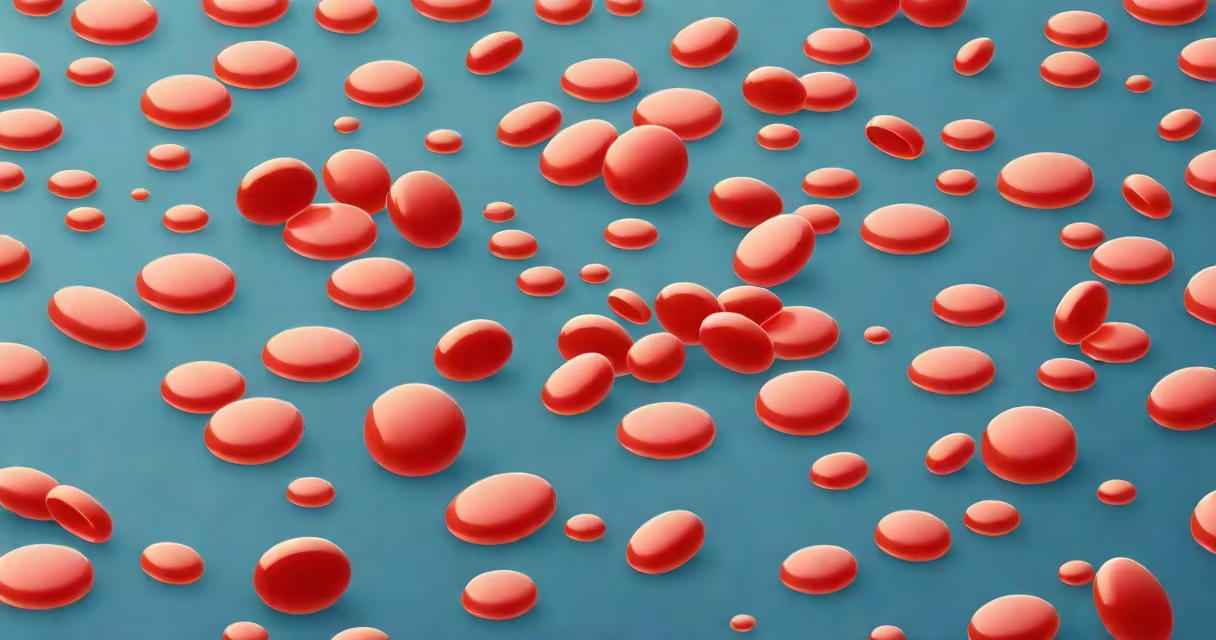
Platelets are tiny, colorless cell fragments in blood that form clots to stop bleeding. They play a important role in hemostasis, the process that prevents excessive blood loss.
When a blood vessel is injured, platelets rush to the site and stick together to form a plug. This plug helps seal the wound and stops bleeding. Platelets also release chemicals that help form a fibrin mesh, which strengthens the clot.
All platelets are similar in function, but their activity levels can vary. There are no distinct types, but their count can differ:
Many people confuse platelets with other blood components like red and white blood cells. Unlike these cells, platelets are not complete cells but rather fragments of larger cells called megakaryocytes. Another misconception is that platelets are involved in immune responses, but their primary role is in clotting.
I once observed a platelet-rich plasma (PRP) procedure firsthand, where a patient's blood was drawn, processed to concentrate the platelets, and then injected back into an injured area to speed up healing. It was fascinating to see how these tiny fragments could have such a significant impact on recovery.
| Component | Function | Lifespan |
|---|---|---|
| Platelets | Clotting and wound healing | 8-10 days |
| Red Blood Cells | Oxygen transport | 120 days |
| White Blood Cells | Immune defense | Varies by type |