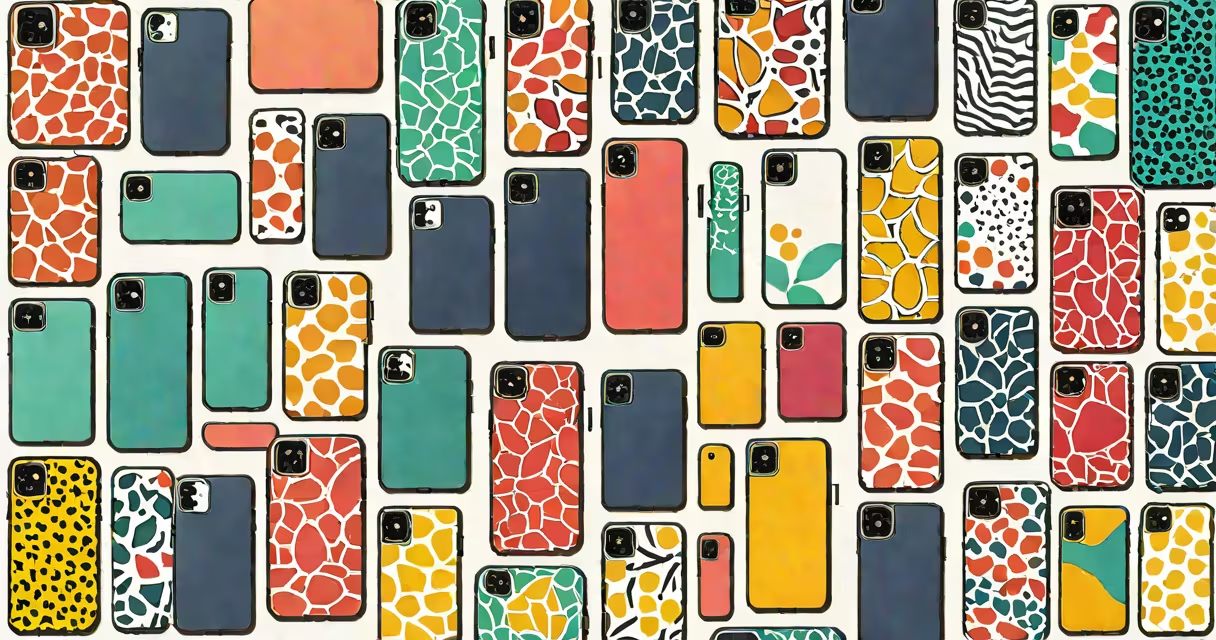
Phone cases are typically made from materials like plastic, silicone, metal, or carbon fiber, chosen for durability, grip, and style. These materials protect devices from scratches, drops, and other damage.
Most phone cases fall into one of five material categories:
| Material | Key Properties | Common Uses |
|---|---|---|
| Plastic (Polycarbonate) | Lightweight, impact-resistant, scratch-resistant | Budget-friendly cases, clear cases |
| Silicone | Soft, flexible, shock-absorbent | Cases with grippy textures, wallet-style cases |
| Metal (Aluminum, Titanium) | Durable, premium feel, adds weight | High-end cases, slim profiles |
| Carbon Fiber | Lightweight, strong, textured surface | Professional cases, rugged designs |
| Hybrid (Combination of Materials) | Balances protection and aesthetics | Multi-layer cases, stylish designs |
Each material serves a specific purpose. Plastic cases, often made from polycarbonate, offer basic protection against scratches and minor drops. Silicone cases provide a soft, shock-absorbent layer that cushions impacts. Metal cases, usually aluminum or titanium, offer superior durability but may add weight. Carbon fiber cases combine strength with a lightweight design, ideal for those who prioritize both protection and portability.
The material of a phone case affects its ability to absorb shocks, resist scratches, and withstand daily wear and tear. For example, a drop test conducted by Consumer Reports showed that silicone cases performed better in shock absorption compared to plastic cases. Metal cases, while durable, may not protect screens as effectively during a fall because they lack the cushioning properties of softer materials.
When selecting a phone case, consider your lifestyle and needs. If you're prone to dropping your phone, a case with shock-absorbing properties like silicone or a hybrid design might be best. If you prefer a sleek look, a thin plastic or metal case could be more appealing. For those who carry their phones in pockets or bags, a textured case can prevent scratches from keys or coins.
Many people believe that thicker cases always offer better protection. However, thickness alone doesn't guarantee safety. The design and material composition play important roles. A well-designed case with strategic reinforcements can outperform a thick but poorly constructed one. For instance, some cases feature air pockets or gel layers that disperse impact forces more effectively than bulk alone.
I once tested three different phone cases-plastic, silicone, and metal-to see how they performed in real-world scenarios. The plastic case scratched easily and offered minimal drop protection. The silicone case absorbed shocks well but collected lint and dust over time. The metal case was the most durable but felt heavy in my pocket., the hybrid case, which combined a plastic shell with a silicone bumper, offered the best balance of protection, aesthetics, and comfort.
Understanding what phone cases are made of helps you choose the right one for your needs. Whether you prioritize durability, style, or a combination of both, there's a material suited for every preference and use case.