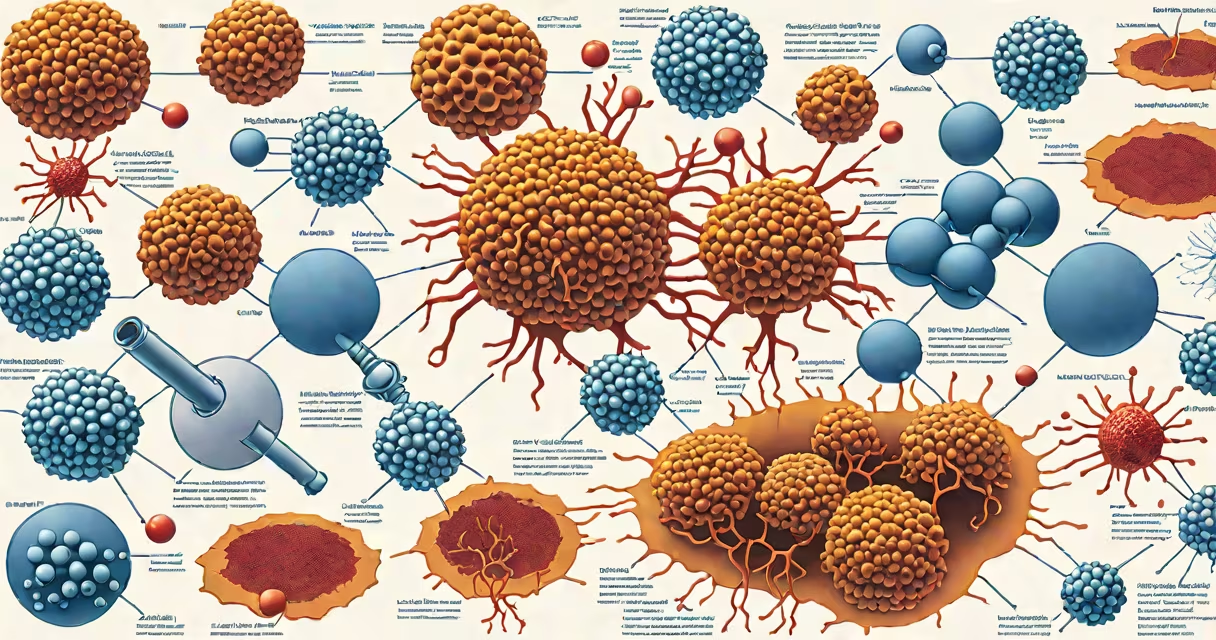
Reactive lymphocytes are white blood cells that become activated in response to infections or other immune triggers. These specialized immune cells play a key role in fighting pathogens and are often elevated during illnesses.
When your body detects an infection, certain lymphocytes-such as T-cells and B-cells-change into reactive forms. This process involves changes in size, shape, and function, making them more effective at targeting invaders. For example, during a viral infection, reactive lymphocytes may increase in number to help eliminate the virus.
Reactive lymphocytes include several subtypes, each with distinct roles:
| Type | Function | Example Activation Trigger |
|---|---|---|
| T-lymphocytes (T-cells) | Kill infected cells or regulate immune responses | Viral infections, autoimmune diseases |
| B-lymphocytes (B-cells) | Produce antibodies to neutralize pathogens | Bacterial infections, vaccinations |
| Natural Killer (NK) Cells | Attack tumor cells and virus-infected cells | Cancer, viral infections |
Elevated reactive lymphocyte counts often indicate an active immune response. For instance, during a flu infection, your body may produce more reactive lymphocytes to combat the virus. However, abnormally high or low counts can signal underlying health issues, such as infections, autoimmune disorders, or certain cancers.
Many people confuse reactive lymphocytes with normal lymphocytes. While all lymphocytes are part of the immune system, reactive lymphocytes are specifically those that have been activated in response to a trigger. Another misconception is that high lymphocyte counts always indicate illness-sometimes, they simply reflect a recent vaccination or mild infection.
During a case of mononucleosis caused by the Epstein-Barr virus, a patient's blood test might show elevated reactive lymphocytes. The virus triggers B-cells and T-cells to become reactive, increasing their numbers to fight the infection. Over time, as the infection resolves, the reactive lymphocyte count typically returns to normal.