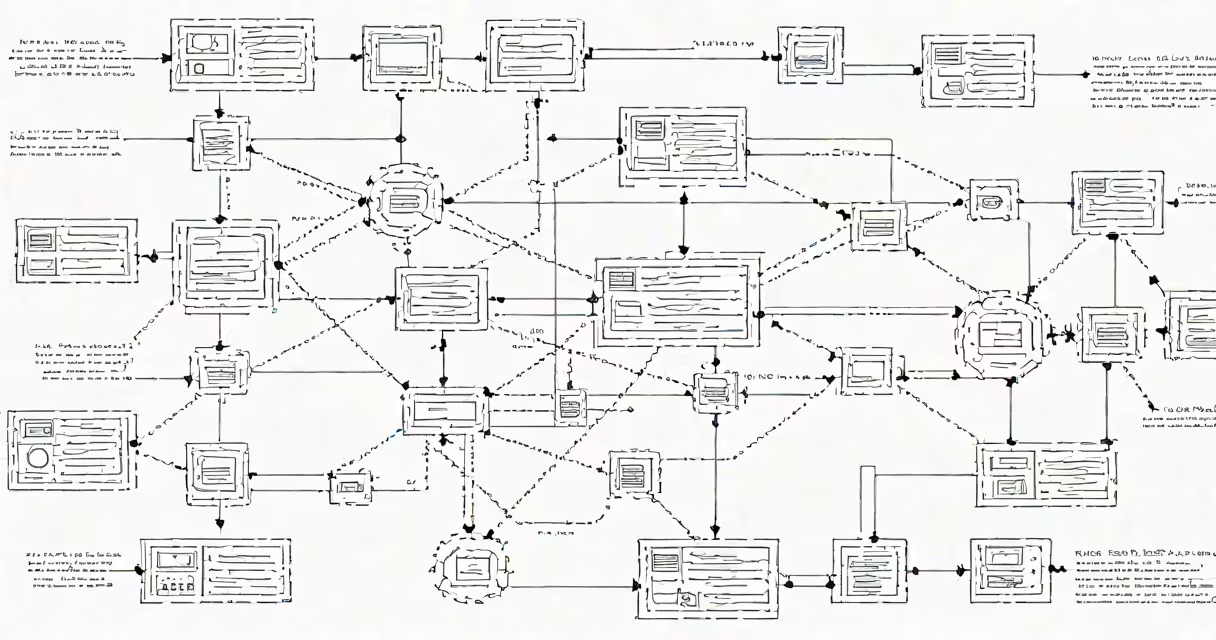
A SIEM (Security Information and Event Management) is a cybersecurity tool that aggregates and analyzes security logs in real time to detect threats. These systems combine security information management (SIM) and security event management (SEM) functions.
SIEMs collect log data from various sources like firewalls, antivirus software, and servers. They use correlation rules to identify patterns that indicate potential threats. When suspicious activity is detected, the SIEM generates alerts for investigation.
For example, a SIEM might flag multiple failed login attempts from different locations within minutes. This could indicate a brute force attack, prompting security teams to take action.
SIEMs typically consist of:
| Type | Description | Example |
|---|---|---|
| On-Premises SIEM | Installed and managed within an organization's infrastructure. | IBM QRadar |
| Cloud-Based SIEM | Hosted by a third-party provider, accessible via the internet. | Microsoft Sentinel |
| Hybrid SIEM | Combines on-premises and cloud-based capabilities. | Splunk ES |
Some believe SIEMs can prevent attacks. However, SIEMs are primarily detection and response tools. They identify threats but rely on security teams to mitigate them.
Another misconception is that SIEMs are only for large enterprises. While they are widely used by big companies, smaller organizations can also benefit from scalable SIEM solutions tailored to their needs.
In 2020, a healthcare organization used a SIEM to detect unusual data access patterns. The SIEM correlated logs from various sources and identified an insider threat attempting to exfiltrate patient records. The timely alert allowed the organization to prevent a data breach.
I once configured a SIEM for a mid-sized company. We integrated logs from firewalls, endpoints, and cloud applications. The system reduced alert fatigue by filtering out false positives, allowing the security team to focus on genuine threats.
SIEMs play a important role in modern cybersecurity by providing real-time threat detection and response capabilities. Understanding their components, types, and limitations helps organizations implement effective security strategies.