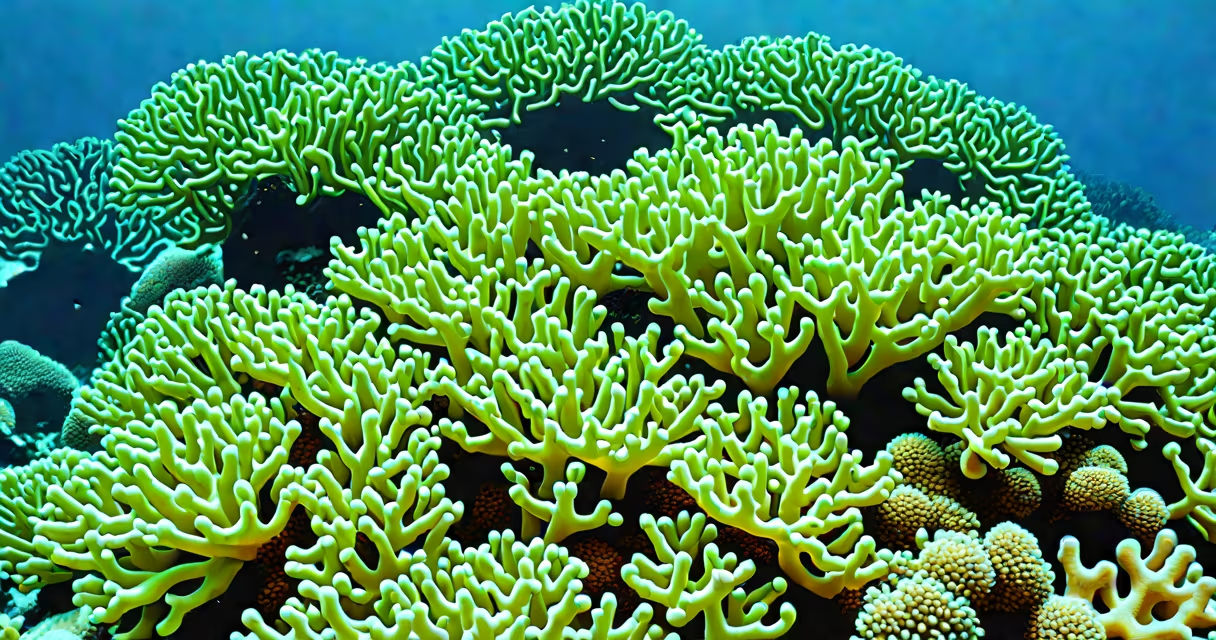
Coral bleaching occurs when stress forces zooxanthellae algae-the microscopic organisms that give corals their color and food-to leave or die. This exposes the coral's white skeleton beneath its transparent tissue.
Corals have a symbiotic relationship with zooxanthellae, which provide up to 90% of their energy through photosynthesis. When stressed, corals expel these algae, turning white. Without them, corals starve and are more susceptible to disease.
The primary triggers are:
Many assume bleaching is always fatal, but corals can recover if stress conditions ease within weeks. However, repeated or prolonged bleaching events-like those caused by climate change-reduce recovery chances. A study in Nature found that corals exposed to multiple bleaching events had lower survival rates than those affected once.
Efforts to reduce coral bleaching include:
| Strategy | Example |
|---|---|
| Reducing Carbon Emissions | Global agreements like the Paris Climate Accord aim to limit temperature rises to 1.5°C. |
| Marine Protected Areas | Australia's Great Barrier Reef Marine Park restricts harmful activities like overfishing and anchoring. |
| Water Quality Improvement | Sewage treatment upgrades in Bali reduced nutrient runoff, improving coral health near popular beaches. |
During a dive off the coast of Thailand in 2021, I witnessed bleached coral alongside healthy sections. The contrast was stark: the bleached areas were pale and lifeless, while nearby corals thrived in cooler, shaded waters. This underscored how localized conditions can influence recovery.
Coral bleaching stems primarily from rising ocean temperatures and pollution, with ocean acidification and sedimentation exacerbating the issue. While corals can recover from short-term stress, repeated bleaching events threaten their long-term survival. Reducing carbon emissions and improving water quality are critical steps in protecting reef ecosystems.