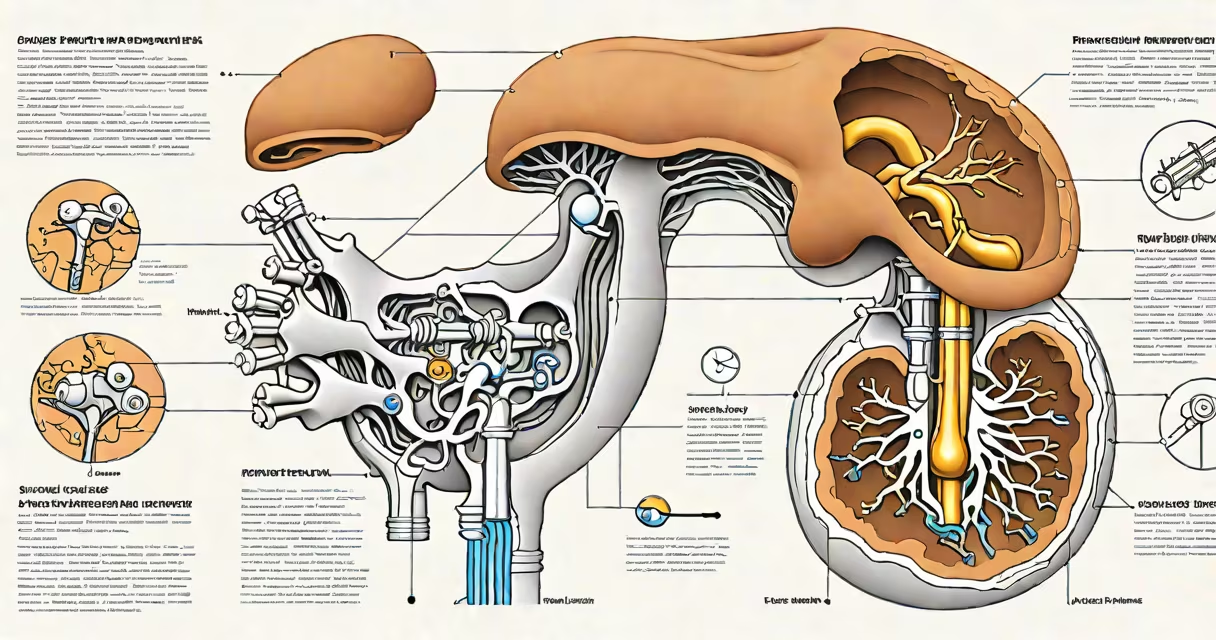
An enlarged prostate, or benign prostatic hyperplasia (BPH), occurs when the prostate gland grows larger over time, pressing on the urethra and causing urinary problems. These side effects range from mild inconveniences to severe complications requiring medical intervention.
The prostate gland surrounds the urethra, the tube carrying urine and semen out of the body. As the prostate enlarges, it constricts the urethra, making urination difficult. Common immediate effects include:
These symptoms often develop gradually, with many men dismissing them as normal aging. However, ignoring them can lead to more serious issues.
If left untreated, an enlarged prostate can cause complications affecting urinary and health. The most common include:
| Complication | Description | Risk Level |
|---|---|---|
| Urinary retention | Inability to fully empty the bladder, leading to pain and infection risk | Moderate to high |
| Urinary tract infections (UTIs) | Stagnant urine allows bacteria to multiply, causing infections | High |
| Kidney or bladder damage | Chronic urinary retention can harm kidneys or weaken bladder muscles | High |
| Bladder stones | Mineral crystals form in stagnant urine, causing pain and obstruction | Moderate |
According to the National Institute of Diabetes and Digestive and Kidney Diseases, about half of men in their 60s and up to 90% in their 70s and 80s have some symptoms of BPH.
While mild symptoms may not require immediate treatment, certain signs warrant a doctor's visit. Seek medical advice if you experience:
Doctors diagnose BPH through physical exams, urine tests, and imaging studies. Treatment options range from lifestyle changes to medication or surgery, depending on symptom severity.
Many men confuse BPH with other conditions like prostate cancer or urinary infections. Unlike cancer, BPH is non-cancerous and doesn't increase cancer risk. However, both conditions can coexist, so proper diagnosis is important.
Another misconception is that BPH only affects older men. While it's rare in younger men, it can occur due to hormonal imbalances or genetic factors. Early detection and management are key to preventing complications.
For mild BPH, lifestyle changes can alleviate symptoms. These include:
In my experience working with patients, combining these adjustments with medical treatment often yields the best results. For example, a patient who reduced evening fluid intake and took prescribed alpha-blockers saw significant improvement in urinary frequency.