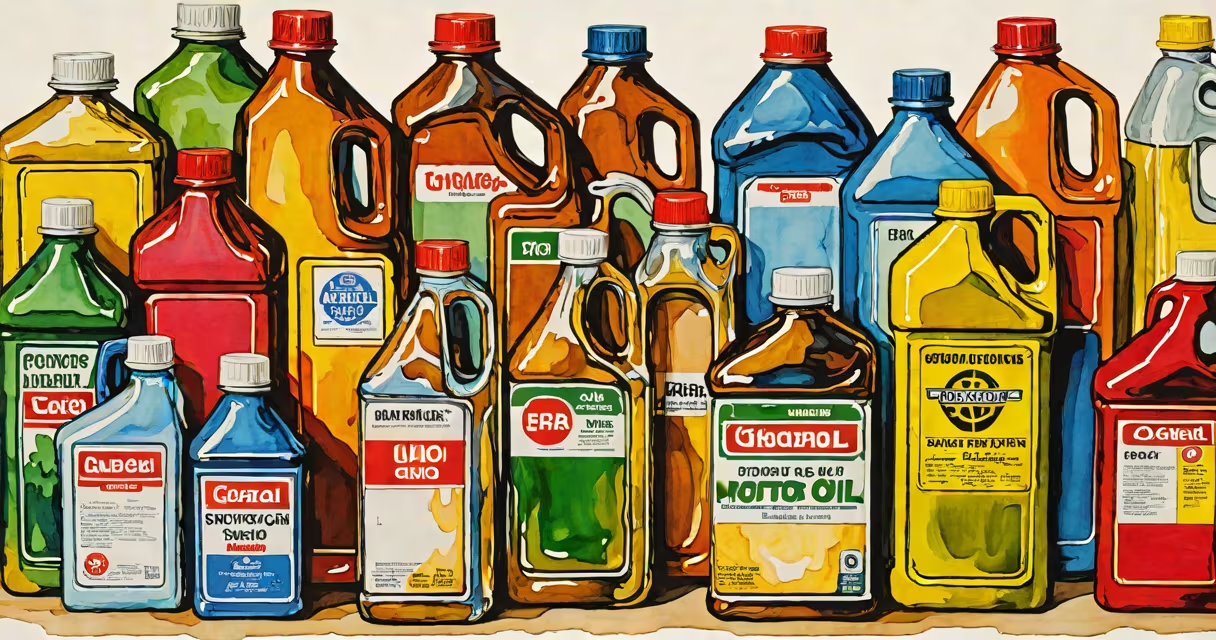
Used motor oil can be repurposed for tasks like lubrication, rust prevention, and fuel in approved facilities, offering eco-friendly alternatives to disposal.
Motor oil loses effectiveness over time due to contamination from fuel combustion byproducts, metal particles, and oxidation. However, its remaining properties can still serve other purposes. The American Petroleum Institute estimates that 380 million gallons of used oil are collected annually in the U.S., with much of it being recycled or repurposed.
Used motor oil falls into two broad categories based on its new purpose:
One practical use is as a lubricant for non-essential machinery or tools. For example, a farmer might use it to lubricate gate hinges or tractor parts that aren't subject to extreme stress. Another common application is rust prevention-applying used oil to metal surfaces exposed to moisture can create a protective barrier.
Many people assume used motor oil can be safely burned as fuel in home heating systems. However, this is dangerous and illegal in many areas due to toxic emissions. Proper recycling through approved facilities is the only safe option for fuel conversion.
To prevent rust on garden tools, apply used motor oil to the metal surfaces using a brush or cloth. Let it sit for several hours, then wipe off excess oil. This creates a protective layer that keeps moisture away from the metal, preventing corrosion. I used this method on my shovel and rake last winter, and they remained rust-free even after months of storage.
| Property | Used Motor Oil | New Motor Oil |
|---|---|---|
| Viscosity | Lower due to contamination | Optimal for engine protection |
| Contaminants | High (metal particles, fuel byproducts) | None |
| Lubrication Effectiveness | Reduced | High |
Always store used motor oil in sealed containers away from heat sources. Never mix it with other chemicals or liquids, as this can create hazardous reactions. When handling used oil, wear gloves and protective clothing to avoid skin contact.