Climate change requires immediate action from individuals, communities, and governments to reduce greenhouse gas emissions and transition to sustainable practices. Effective solutions range from personal lifestyle changes to large-scale policy initiatives.
Individual actions collectively make a significant impact. Simple changes in daily habits can reduce your carbon footprint:
For example, replacing incandescent bulbs with LEDs can cut lighting energy use by 75%, saving about $75 per year.
Solutions fall into four broad categories:
| Category | Examples |
|---|---|
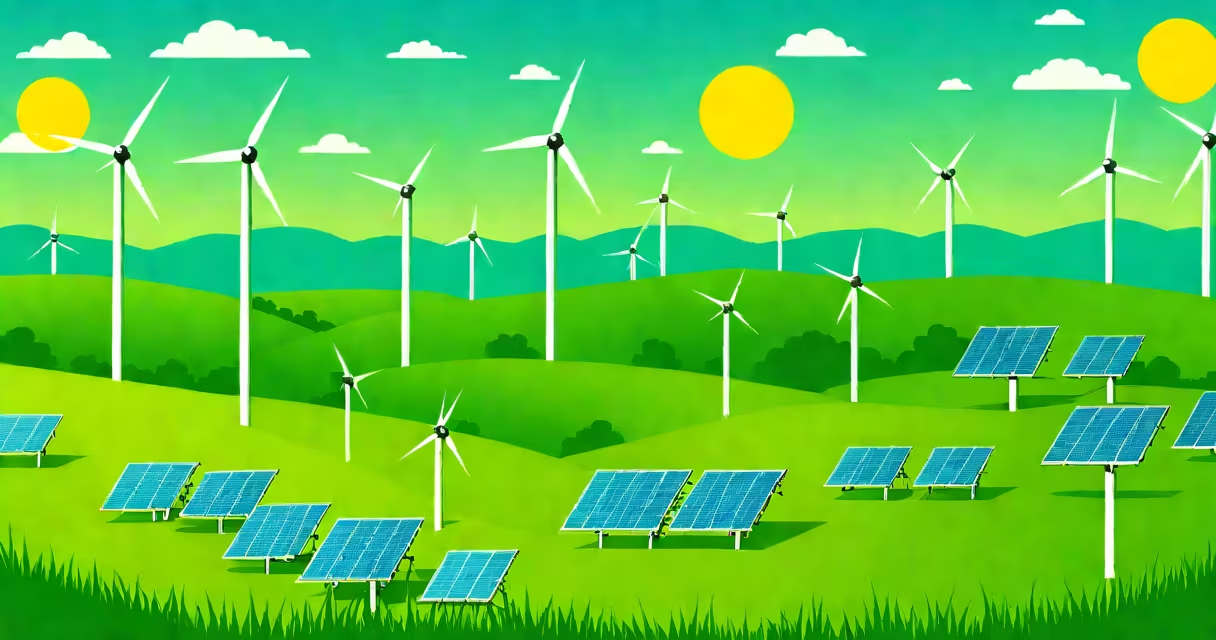
| Energy | Transition to renewable energy sources like solar and wind power |
| Transportation | Electrify vehicles and improve public transit infrastructure |
| Agriculture | Adopt regenerative farming practices and reduce food waste |
| Policy | Implement carbon pricing and enforce stricter emissions regulations |
According to the International Energy Agency, global emissions could be reduced by 45% by 2040 through these measures.
Large-scale changes require cooperation from governments and corporations. Effective policies include:
The European Union's Emissions Trading System has successfully reduced emissions from power plants and factories by 39% since 2005.
Many people believe individual actions are insignificant compared to corporate emissions. However, collective behavior shifts create market demand for sustainable products and influence policy changes. Another myth is that solving climate change is too expensive, but studies show that the cost of inaction far outweighs investment in green technologies.
I've seen firsthand how community solar projects bring people together while reducing reliance on fossil fuels. These initiatives prove that local efforts can scale up effectively.