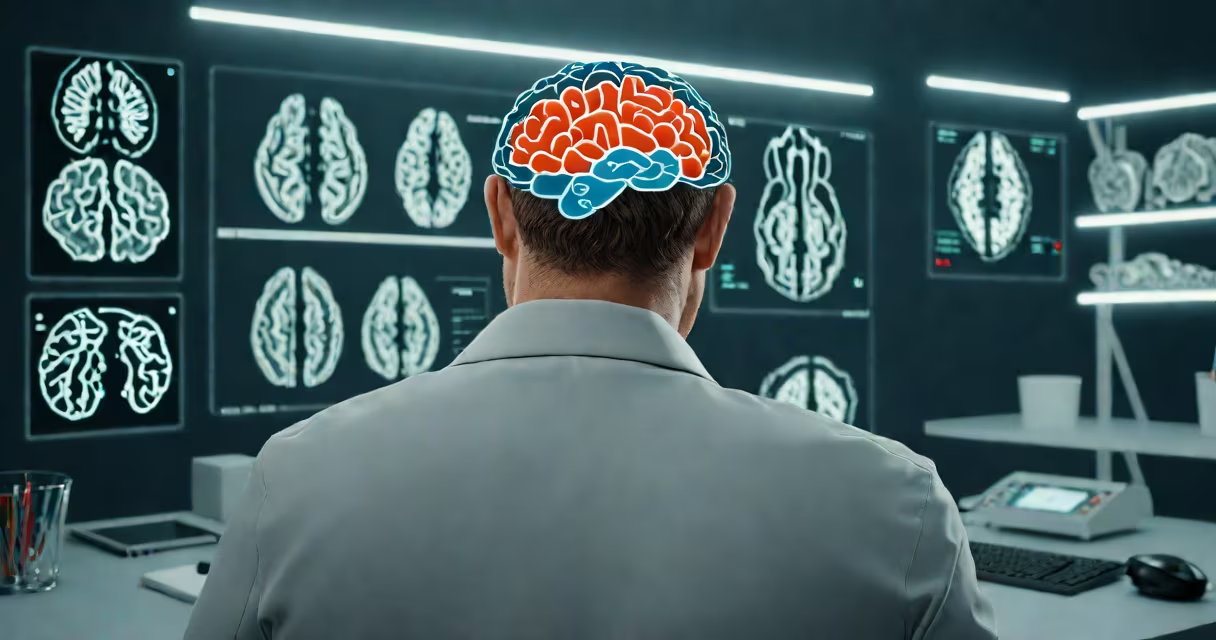
A neuroscience major prepares you for careers in brain research, medicine, and technology by studying neurons, behavior, and disorders. Graduates work in labs, hospitals, and tech companies, applying their knowledge to solve real-world problems.
Neuroscience programs combine biology, chemistry, psychology, and computer science. Core courses cover neuroanatomy, cellular neuroscience, and cognitive psychology. Labs teach techniques like electrophysiology and imaging. Many programs offer research opportunities, even for undergraduates.
Most neuroscience majors earn a bachelor's degree, but many pursue graduate school for specialized roles. A PhD is common for research positions, while medical school prepares graduates for careers in neurology or psychiatry.
| Field | Example Jobs | Average Salary (U.S.) |
|---|---|---|
| Research | Neuroscience researcher, lab technician | $60,000-$120,000 |
| Medicine | Neurologist, psychiatrist | $150,000-$300,000+ |
| Technology | Neuroengineer, biomedical engineer | $80,000-$150,000 |
| Education | Professor, science educator | $50,000-$120,000 |
Neuroscience graduates find jobs in universities, hospitals, pharmaceutical companies, and tech firms. Some work in government agencies like the NIH or private research institutions. The field is growing, with demand for experts in aging, mental health, and neurodegenerative diseases.
Many neuroscientists also work in interdisciplinary fields like artificial intelligence, developing brain-computer interfaces or neural networks. Others contribute to public policy on health and education.
Some assume neuroscience majors only become researchers or doctors. However, the field offers diverse paths, including science writing, consulting, and even entrepreneurship. For example, a neuroscience major might work in marketing for a biotech company, using their knowledge of behavior and cognition to craft campaigns.
Another myth is that neuroscience requires advanced math. While some subfields use statistics and programming, many careers focus on biological and behavioral research, requiring little more than basic math skills.
As someone who has shadowed neuroscientists, I observed their daily tasks. Researchers spend mornings analyzing data from experiments, then conduct lab work in the afternoon. They collaborate with teams across disciplines,. Fieldwork might involve studying animal behavior or human patients.
Neuroscientists also publish findings in journals and present at conferences. Their work impacts treatments for conditions like Alzheimer's, Parkinson's, and depression.