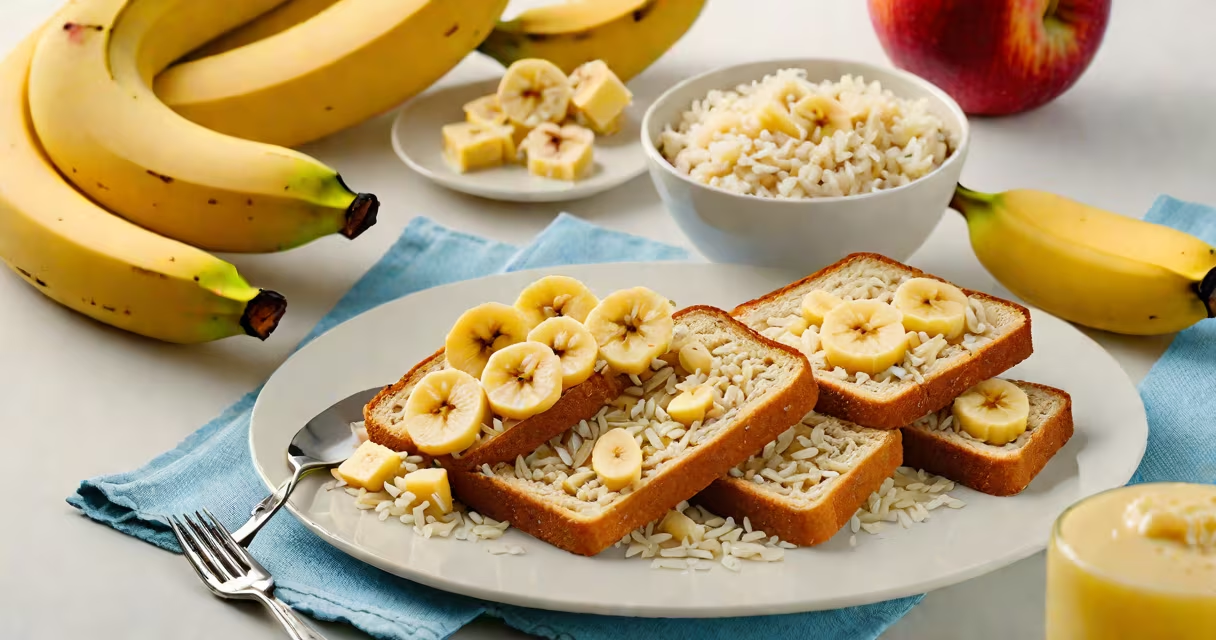
After food poisoning, eat bland, easily digestible foods like toast, rice, bananas, and applesauce to ease digestion and prevent dehydration. These foods help your stomach settle while replenishing lost nutrients.
Food poisoning irritates your digestive tract, making it difficult to process complex or spicy foods. The BRAT diet (bananas, rice, applesauce, toast) is often recommended because these foods are low in fiber, fat, and protein, reducing strain on your stomach.
According to the Mayo Clinic, rehydration is critical after food poisoning. Vomiting and diarrhea can lead to fluid loss, so sipping water, clear broths, or electrolyte solutions helps restore balance.
The safest foods to eat after food poisoning are gentle on the stomach and help prevent further irritation. Here's a breakdown:
| Food Type | Examples | Why It Helps |
|---|---|---|
| Carbohydrates | White rice, plain toast, crackers | Easy to digest, provide quick energy |
| Fruits | Bananas, applesauce | Contain potassium, which helps with muscle function |
| Liquids | Water, clear broths, electrolyte drinks | Prevent dehydration caused by vomiting and diarrhea |
After 24 hours of eating only bland foods, gradually reintroduce other foods if your stomach feels better. Start with small portions of cooked vegetables, lean proteins like chicken or fish, and yogurt. Avoid greasy, fried, or highly seasoned foods until you're fully recovered.
A study published in the journal Clinical Nutrition suggests that probiotics, like those found in yogurt, may help restore gut health after food poisoning. However, they should only be introduced once your symptoms have subsided.
Many people rush to eat their usual diet too soon, which can worsen symptoms. Spicy foods, dairy, and caffeine can irritate the stomach lining, leading to prolonged discomfort. Stick to bland foods until your digestive system has fully healed.
Another mistake is drinking too much liquid at once, which can trigger nausea. Instead, sip small amounts of water or electrolyte solutions frequently throughout the day.
I once tried eating a burger too soon after recovering from food poisoning. Within an hour, my stomach cramped, and I felt nauseous again. Since then, I've learned the importance of easing back into solid foods gradually.
If symptoms like vomiting, diarrhea, or dehydration last more than 48 hours, consult a doctor. Severe cases may require medical treatment, such as intravenous fluids or medication. The Centers for Disease Control and Prevention (CDC) recommends seeking medical attention if you show signs of severe dehydration, such as dizziness, dry mouth, or little to no urination.