Paranoia is an intense, irrational distrust or suspicion of others, often accompanied by delusions or exaggerated self-referential thinking. It stems from a combination of genetic, psychological, and environmental factors, frequently tied to underlying mental health conditions.
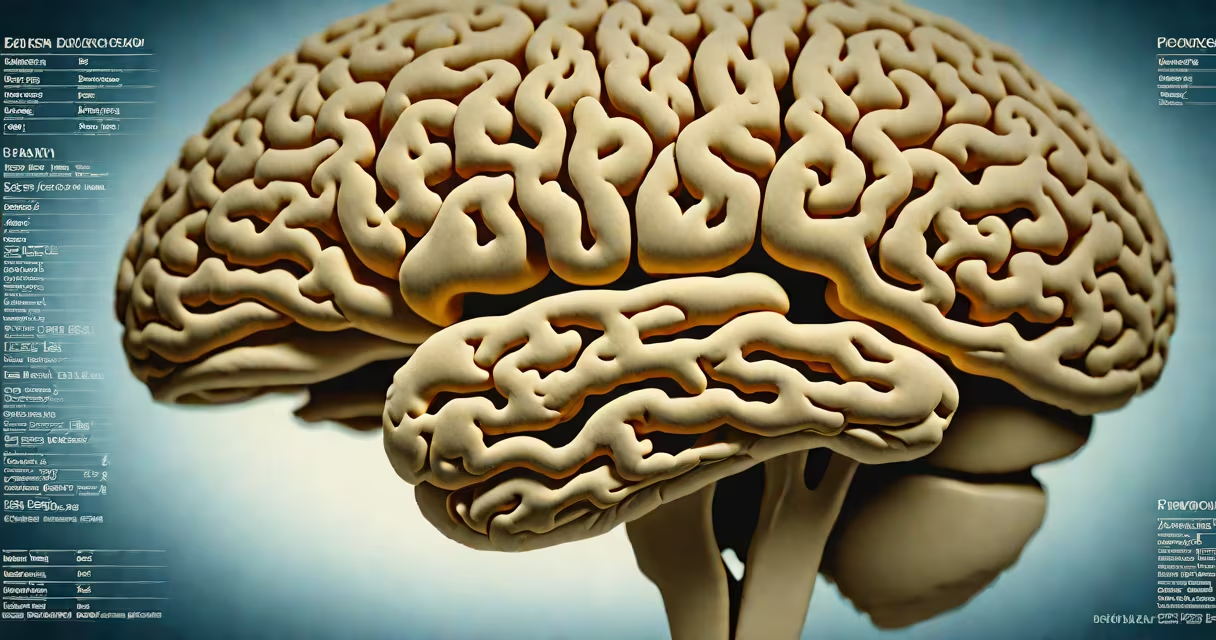
Paranoia disrupts normal cognitive processes, causing individuals to misinterpret neutral or ambiguous situations as threats. The amygdala, the brain's fear center, becomes hyperactive, leading to heightened anxiety and defensive responses. Studies from the Journal of Abnormal Psychology show that paranoid thoughts activate the same neural pathways as physical pain, making them feel intensely real.
| Type | Description | Common Triggers |
|---|---|---|
| Delusional Paranoia | Fixed false beliefs about being harmed or persecuted | Schizophrenia, substance abuse |
| Reactive Paranoia | Temporary suspiciousness due to stress or trauma | Extreme stress, PTSD, sleep deprivation |
| Questioning Paranoia | Persistent doubt about others' intentions | Social anxiety, past betrayals |
Paranoia is most common in people with schizophrenia, paranoid personality disorder, or severe anxiety. Environmental factors like isolation, trauma, or substance abuse can trigger paranoid episodes. For example, a study in Nature Neuroscience found that chronic marijuana use increases paranoia risk by 60%.
Many assume paranoia is always pathological, but mild paranoia can occur in healthy individuals under extreme stress. Unlike clinical paranoia, these episodes are usually short-lived. Another myth is that paranoia only affects "paranoid" people-it can also arise from medical conditions like brain tumors or hormonal imbalances.
I once observed a friend experiencing reactive paranoia after a car accident. He became convinced strangers were following him, though no evidence supported this. His symptoms resolved within weeks with therapy and support, highlighting how context matters in paranoia cases.
While paranoia can feel overwhelming, recognizing its roots and seeking professional help can make a significant difference. Early intervention improves outcomes, especially for those with underlying mental health conditions.