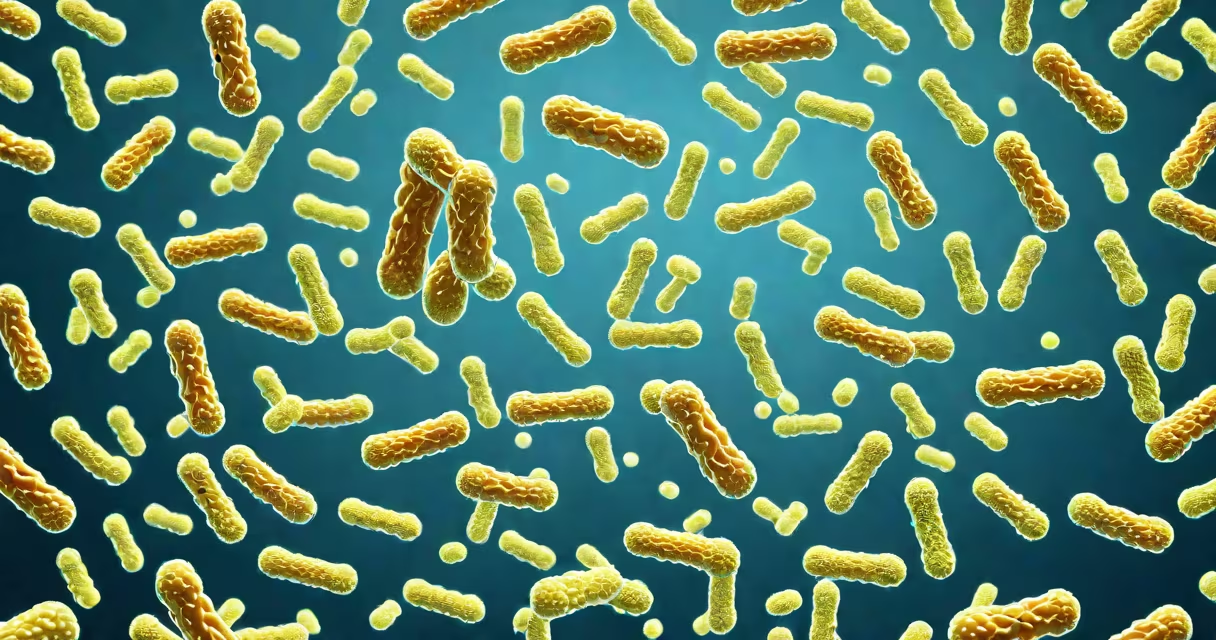
Probiotics are live microorganisms that promote gut health by restoring and maintaining the natural balance of bacteria in your intestines. They support digestion, immune function, and nutrient absorption.
Your gut contains trillions of bacteria, both good and bad. Probiotics introduce beneficial strains like Lactobacillus and Bifidobacterium to help crowd out harmful microbes. These good bacteria produce enzymes that break down food, synthesize vitamins, and strengthen the gut barrier.
| Type | Common Strains | Key Benefits |
|---|---|---|
| Lactobacillus | L. acidophilus, L. rhamnosus | Helps with diarrhea and lactose intolerance |
| Bifidobacterium | B. bifidum, B. longum | Supports IBS and constipation relief |
| Saccharomyces | S. boulardii | Fights yeast infections and antibiotic-related diarrhea |
Many people confuse probiotics with prebiotics. Prebiotics are fibers that feed good bacteria, while probiotics are the live bacteria themselves. Another myth is that all probiotics work the same-strains have different effects, so targeted formulations exist for specific conditions.
After a round of antibiotics left my digestion disrupted, I took a Lactobacillus-based probiotic for two weeks. Within days, bloating decreased, and regularity improved. Research backs this up: a 2018 study in Frontiers in Microbiology found similar benefits for 80% of participants.