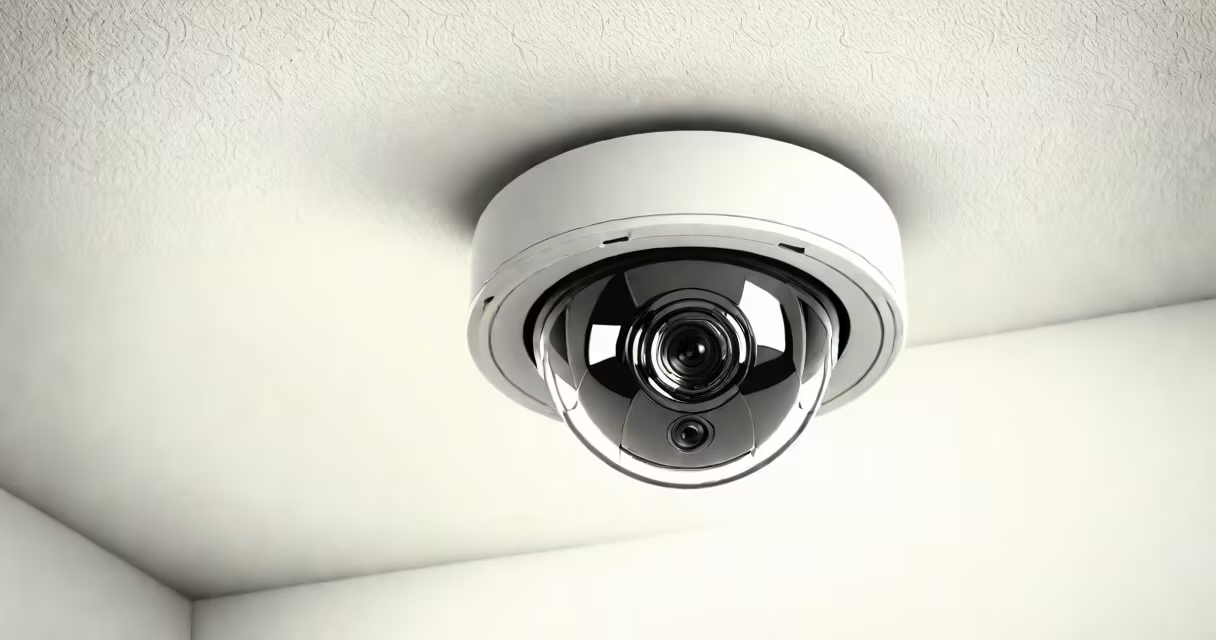
Spy cameras are small, discreet surveillance devices designed to blend into their surroundings. They often resemble common household items like smoke detectors, clocks, or pens.
These cameras capture video or images covertly, often transmitting footage wirelessly to a remote device. Many models include motion detection and night vision capabilities. Some even record audio, though laws around audio recording vary by jurisdiction.
Spy cameras come in various forms, each designed to avoid detection. Here are the most common types:
| Type | Description | Example |
|---|---|---|
| Hidden Cameras | Disguised as everyday objects | Smoke detectors, wall clocks, USB chargers |
| Nanny Cams | Designed for monitoring caregivers | Teddy bears, picture frames |
| Body Worn Cameras | Worn on clothing or accessories | Button cameras, glasses, pens |
| Vehicle Cameras | Installed in cars for surveillance | Rearview mirror cameras, license plate cameras |
Businesses, homes, and public spaces use spy cameras for security, monitoring, and evidence collection. Retail stores may use them to prevent theft, while homeowners install them for personal safety. Law enforcement agencies also employ spy cameras for investigations.
However, their use raises privacy concerns. Unauthorized surveillance can infringe on individuals' rights, leading to legal complications. Always check local laws before installing or using spy cameras.
Spy cameras are designed to be inconspicuous, but there are ways to detect them. Look for unusual reflections, small lenses, or wires. Use a camera detector app or a flashlight to scan for hidden devices. Remember, not all security cameras are spy cameras-some are openly installed for safety.
For example, a small pinhole lens in an unexpected place, like a light fixture or a bookshelf, could indicate a hidden camera. Always inspect new or unfamiliar devices in your home or office.
Laws regarding spy cameras vary by country and state. In the U.S., the Electronic Communications Privacy Act (ECPA) regulates audio recording, while video recording laws differ. Always inform people when audio is being recorded, and avoid placing cameras in private areas like bathrooms or bedrooms.
According to the Electronic Frontier Foundation, unauthorized surveillance can lead to legal consequences. Familiarize yourself with local regulations to ensure compliance.
When I helped a friend set up a home security system, we chose visible cameras for the front door and discreet ones for indoor monitoring. This approach balanced security with respect for privacy.
Spy cameras are small, often disguised devices used for covert surveillance. They come in various forms, from hidden cameras to body-worn models. While they serve security purposes, their use must comply with legal standards to protect privacy rights.